
Last updated October 16, 2026
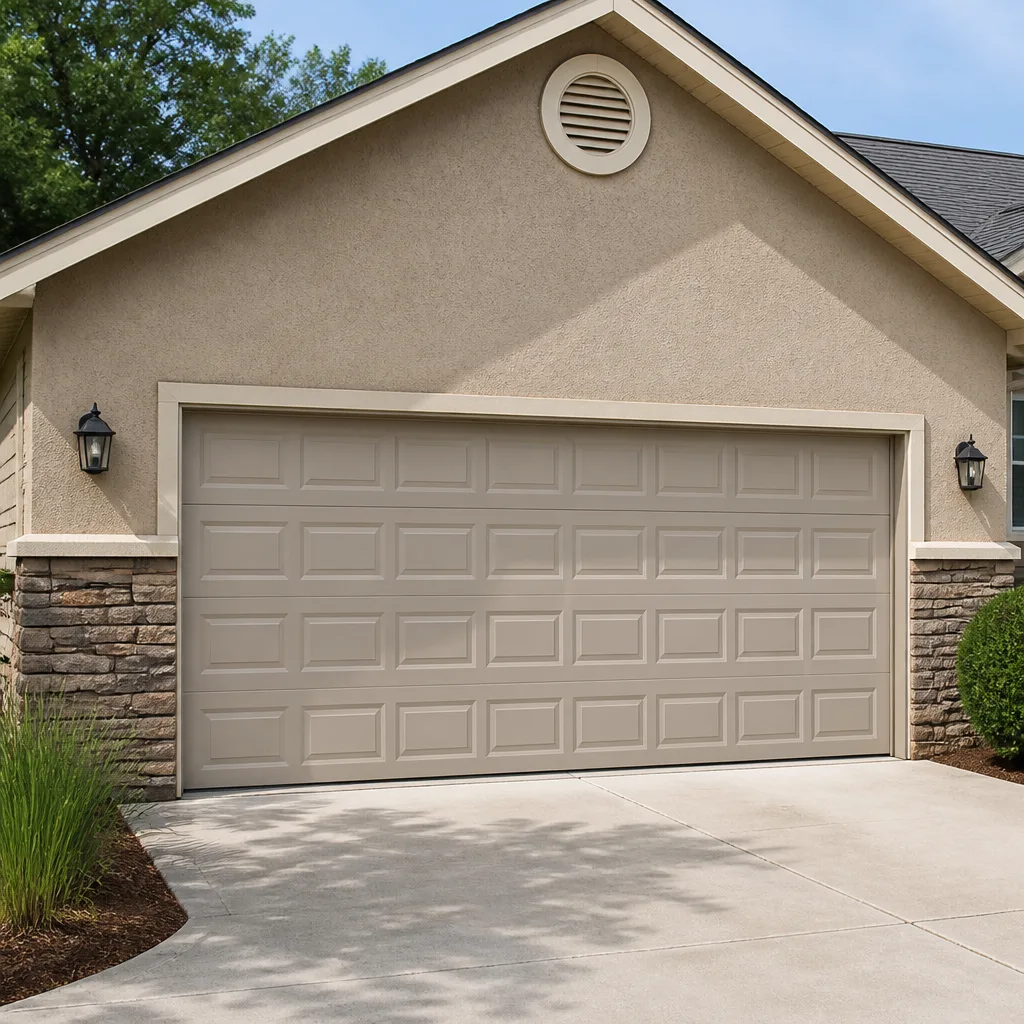 Raised-panel steel
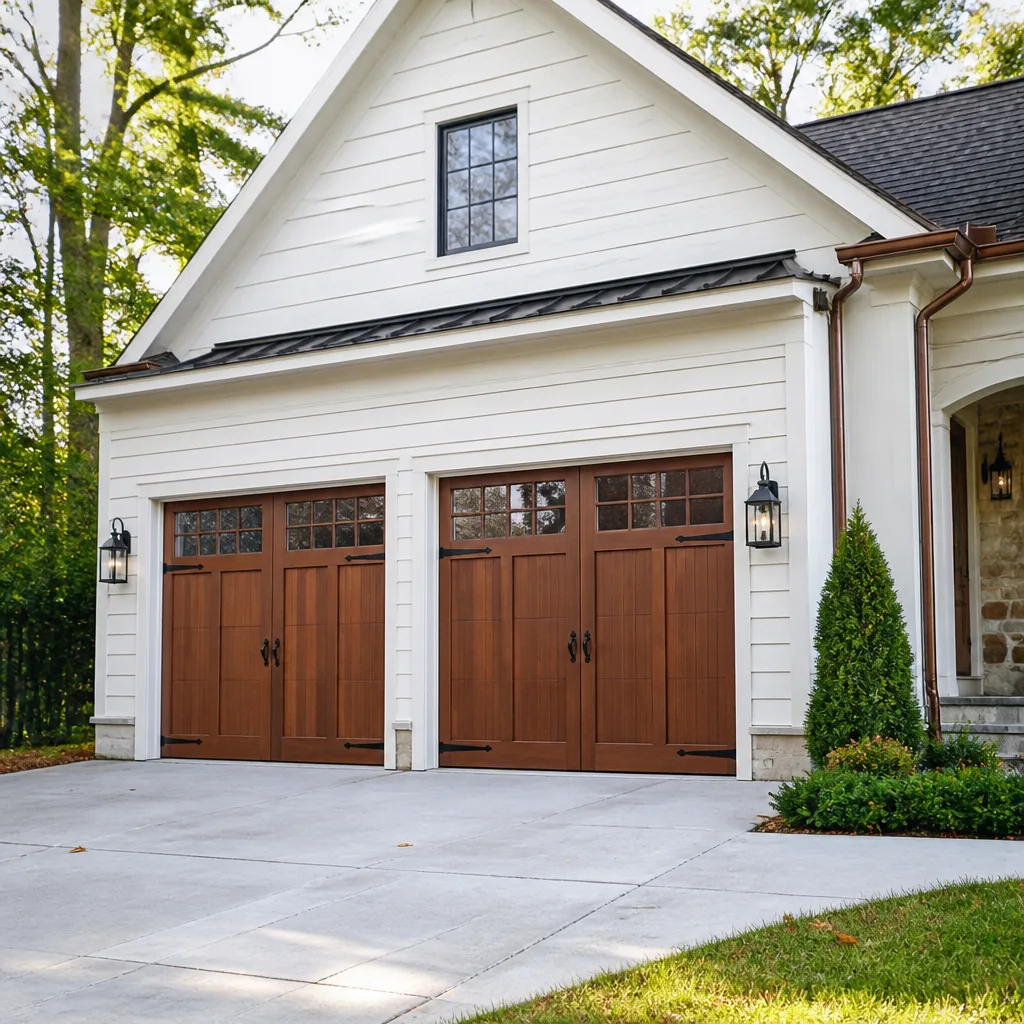 Carriage house
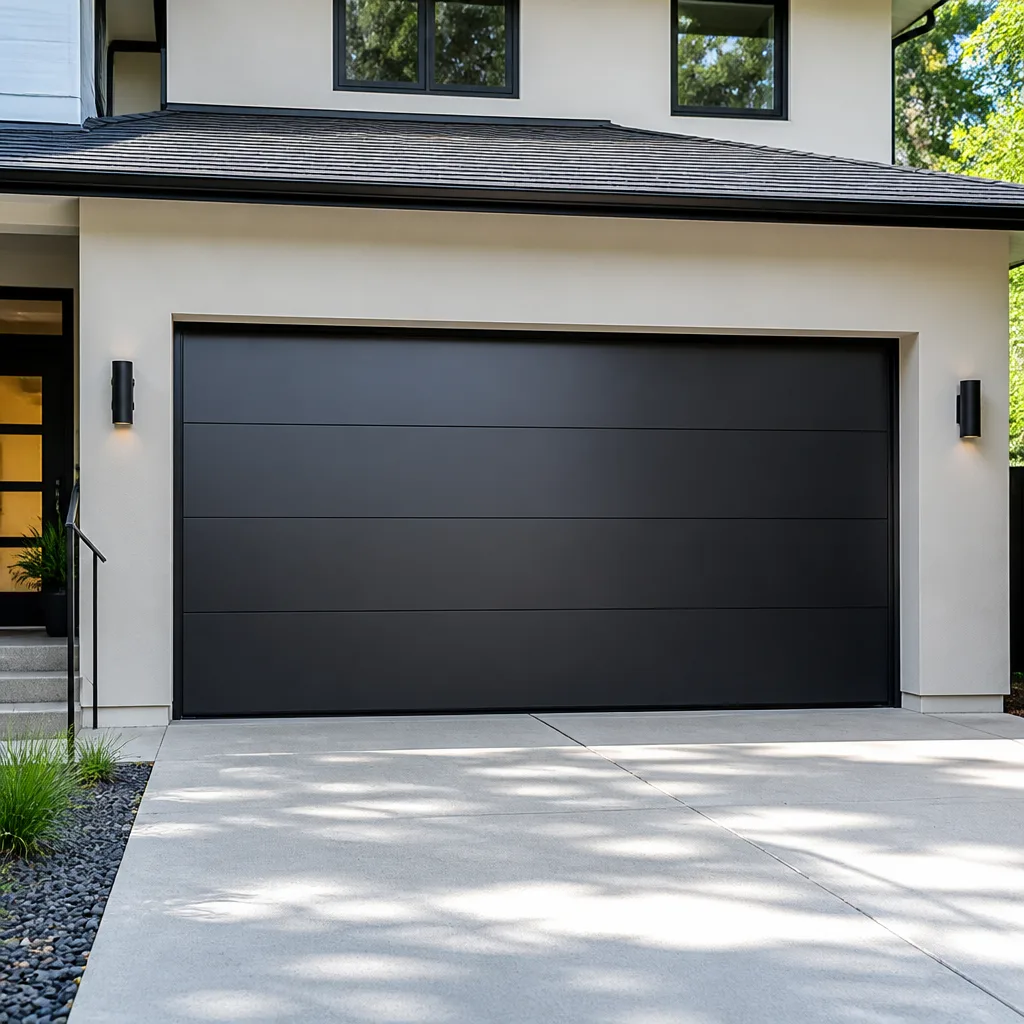 Modern flush
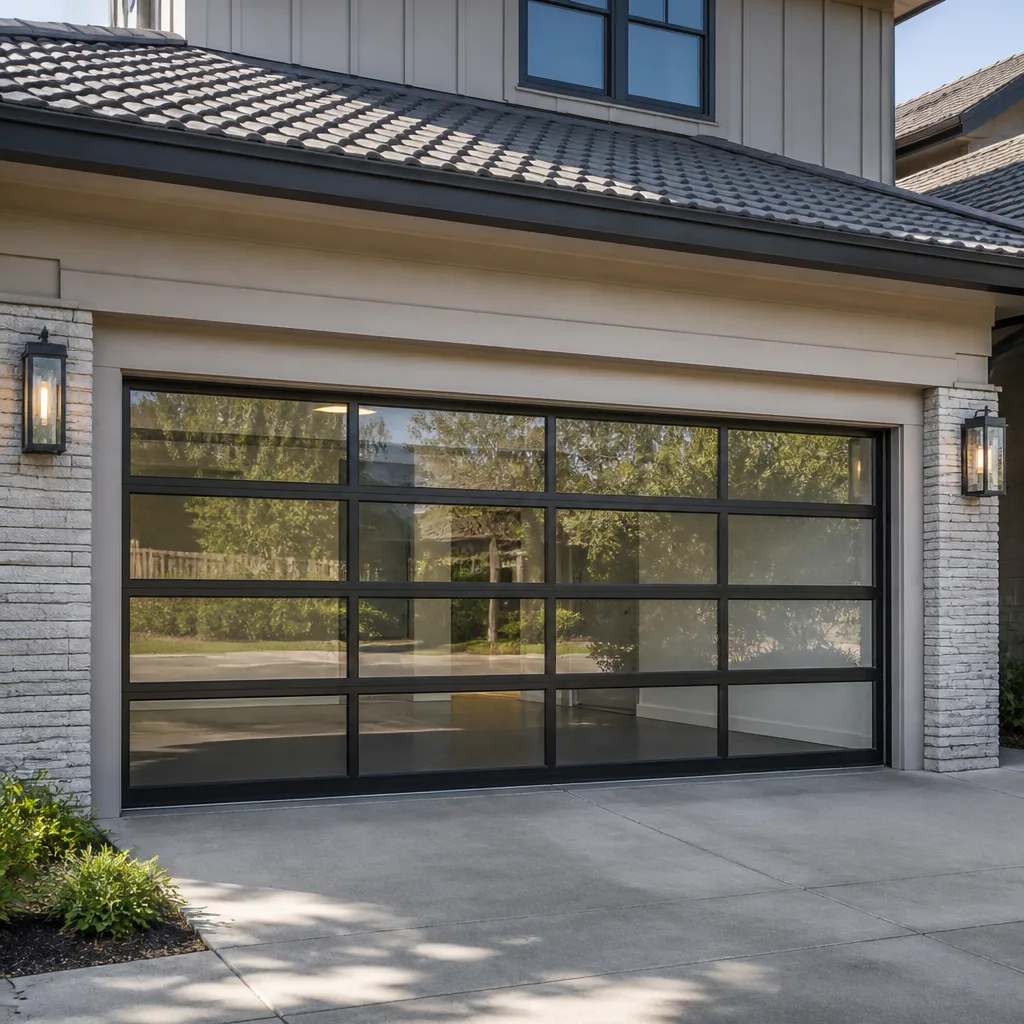 Full-view glass
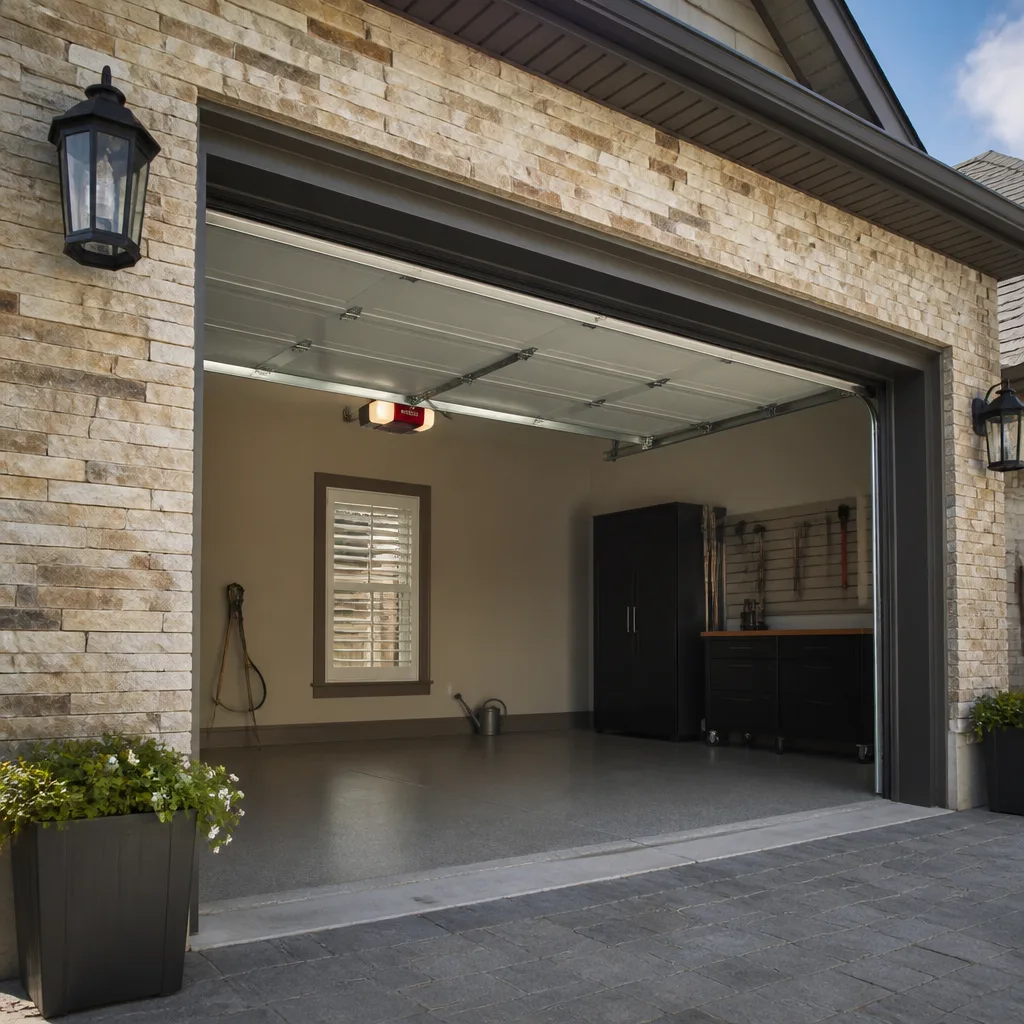 LiftMaster openers
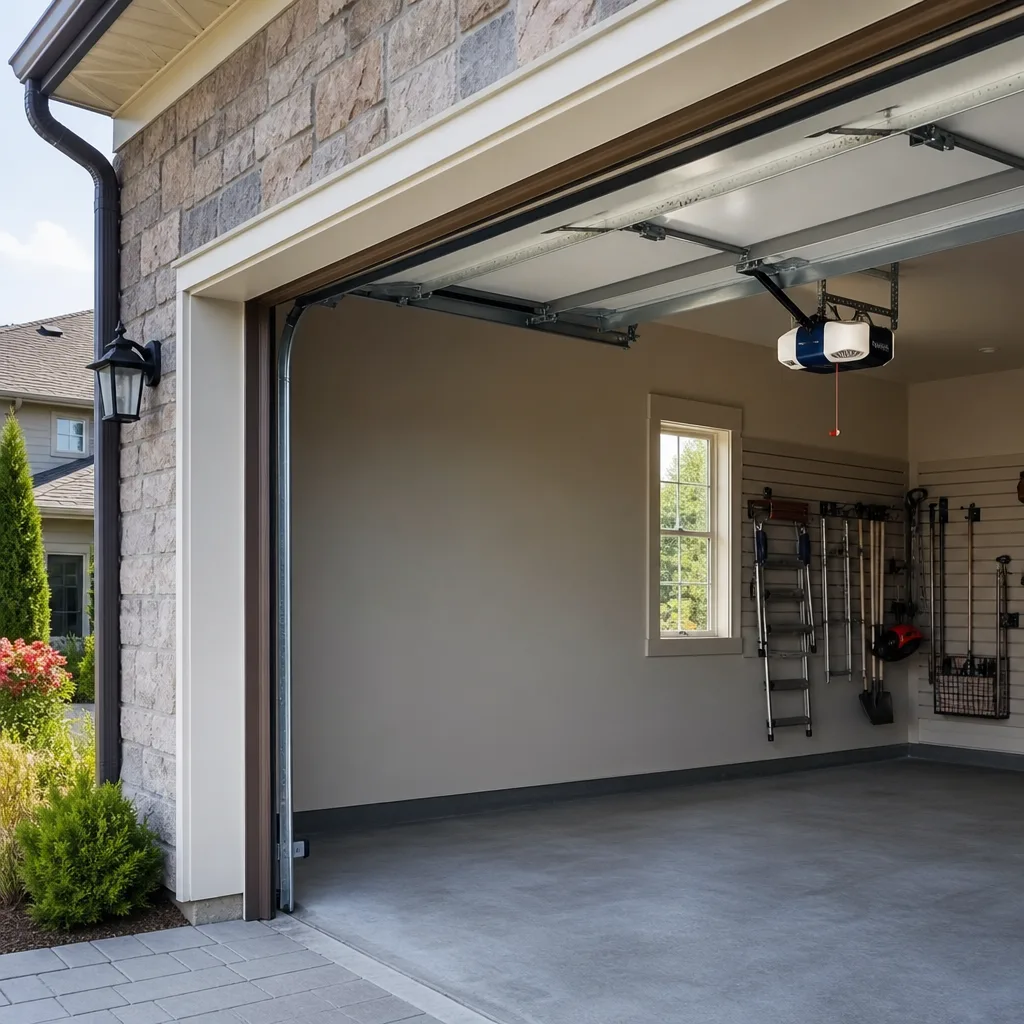 Chamberlain openers
Full 25-point door and opener safety check with every visit - springs, cables, rollers, tracks, and your LiftMaster or Chamberlain opener included
You get a price before we start. It does not change when the truck arrives.
Get your free estimateDIY vs Professional Garage Door: The West Palm Beach Homeowner’s Decision Guide
A torsion spring stores roughly the same energy as a loaded crossbow, and unlike a crossbow, it has no safety mechanism. That’s the real reason the U.S. Consumer Product Safety Commission logs an average of 15,000 emergency-room visits per year from garage door spring injuries, almost all of them to people who believed they were being careful. This guide cuts through the confusion by sorting every common garage door task in West Palm Beach into three clear categories: safe for homeowners, risky but legal, and work that requires a licensed contractor. You’ll learn exactly where the line falls, what permits actually apply, and what each path realistically costs.
Styles & brands we work with
Quick Answer
Most garage door maintenance in West Palm Beach is genuinely safe to do yourself: lubrication, sensor cleaning, remote reprogramming, and weather seal replacement on a tension-free door. But torsion spring replacement, cable work, and anything requiring a permit in Palm Beach County should go to a professional, not because homeowners lack skill, but because these jobs carry injury risk and legal liability that no YouTube tutorial can remove. Our recommendation after 24 years in this trade: do the five-minute tasks yourself, call a licensed contractor for everything involving springs, cables, or structural changes. For a full rundown of what to check seasonally, see our Garage Door Repair Maintenance Checklist for West Palm Beach Homeowners.
Table of Contents
- The Three-Category Framework: Safety, Legality, and Skill
- The Permit Question: What Palm Beach County Actually Requires
- Tasks That Are Safe and Legal for Homeowners
- Tools and Knowledge You Need Before Touching Anything
- Tasks That Are Legal but Carry Injury Risk
- Tasks That Require a Licensed Contractor
- The Real Cost Comparison: DIY Gone Wrong vs Professional Repair
- When DIY Is the Right Answer
- Common Mistakes to Avoid
- When to Call a Professional
- Frequently Asked Questions
- The Bottom Line
The Three-Category Framework: Safety, Legality, and Skill
Most DIY-versus-professional guides for garage doors treat every task as a question of skill. That’s the wrong lens. A homeowner in West Palm Beach who can rebuild a small engine might still have no business touching a torsion spring, because the issue isn’t competence. It’s physics and law. A torsion spring, the large coil mounted above the door that does most of the lifting, holds up to 150 foot-pounds of torque when fully wound. If it snaps while you’re adjusting it, the release happens in milliseconds. Skill doesn’t slow that down.
We sort every garage door task into three buckets:
- Category 1: Safe and legal for homeowners. Lubrication, sensor cleaning, remote reprogramming, weather seal replacement on a door with no tension on the cables. These tasks require no permit, no specialized training, and no exposure to stored energy.
- Category 2: Legal but carrying injury risk. Track realignment, roller replacement, tightening loose hardware on an operational door. No permit required in West Palm Beach, but a door can weigh 150 to 300 pounds. If it shifts while you’re underneath it, the result is serious.
- Category 3: Licensed contractor territory. Torsion spring replacement, extension spring replacement, cable replacement, and any structural work that Palm Beach County requires a permit for. This is not a skill judgment. It’s a legal and safety boundary.
What separates the categories is whether you’re exposed to stored energy or a falling door, and whether the county considers the work substantial enough to require inspection. Most homeowners we talk to in West Palm Beach already know more than they think they do. They just haven’t seen the categories drawn this way before.
The Permit Question: What Palm Beach County Actually Requires
Here’s the Florida legal issue most guides skip entirely: replacing a garage door or its major mechanical components without a permit in Palm Beach County is a code violation, even if you own the home. The permit requirement attaches to the work, not to the worker’s profession. That means a homeowner who swaps out a torsion spring on a Sunday afternoon has technically performed unpermitted work, same as an unlicensed handyman would have.
Palm Beach County enforces the Florida Building Code, which treats garage doors as structural components subject to wind-load requirements. West Palm Beach sits in a high-velocity hurricane zone. Your door isn’t just a convenience. It’s a rated opening in your home’s wind envelope. When a door is installed or its load-bearing hardware is replaced, the county wants an inspection to confirm the work meets current wind-resistance standards. Skip the permit and you create two problems. First, a code violation that can surface during a home sale or insurance inspection. Second, a door that may fail exactly when you need it most, during a named storm.
What does this mean in practice? Small maintenance tasks never require a permit. Replacing a sensor, lubricating hinges, swapping a remote battery, none of that triggers the wind-load rules. But when a contractor replaces springs, cables, or a full door for you in West Palm Beach, part of what you’re paying for is their license, their insurance, and their obligation to handle the permit correctly. A homeowner doing the same work skips all three.
Tasks That Are Safe and Legal for Homeowners
Let’s start with what you can absolutely handle. These are the tasks where a homeowner in West Palm Beach with thirty minutes and a stepladder genuinely doesn’t need to call anyone. None of them expose you to stored spring energy, and none of them require a permit.
1. Lubricating the moving parts
Every metal-to-metal pivot point on your door benefits from lubrication twice a year, ideally before hurricane season and again in late fall. Use a white lithium grease spray or a silicone-based garage door lubricant. Do not use WD-40. It’s a solvent, not a lubricant. It will strip away the existing grease and leave the parts drier than before. Spray the hinge pins, the roller bearings, and the torsion spring itself. A spring that’s properly lubricated is quieter and less prone to rust in West Palm Beach’s salt air.
2. Cleaning and realigning photo-eye sensors
The photo-eye sensors sit near the floor on both sides of the door opening. When they’re dirty or misaligned, the door refuses to close, or reverses halfway down. This is the single most common “broken door” call we get, and the fix is usually free. Wipe the lenses with a dry cloth. Check that both sensors point directly at each other. Most sensor brackets have a small LED light; when the beam is aligned, both lights glow steady. If one blinks, adjust the bracket gently until it stops. No permit, no danger, no bill.
3. Reprogramming a remote after a power surge
South Florida thunderstorms knock out power constantly, and a surge can erase your opener’s remote codes. Every major brand, including LiftMaster, Chamberlain, Genie, Craftsman, and Wayne Dalton, has a “learn” button on the motor unit. Press it, then press the remote button within 30 seconds. Done. The exact sequence varies by model, but the opener’s manual or a quick search for your model number will walk you through it.
4. Replacing the bottom weather seal
The rubber strip along the bottom of the door keeps out rain, bugs, and the fine sand that blows through West Palm Beach yards all year. It wears out every two to three years in this climate. On a door where the cables are slack because the door is fully up, you can slide the old seal out of its track and slide a new one in. The key phrase is tension-free. Do this only when the door is fully raised and the springs are not under load. If the door is stuck halfway down, the cables are under tension, and this becomes a Category 2 task.
Tools and Knowledge You Need Before Touching Anything
Before you attempt any Category 1 or Category 2 task, gather the right tools and understand one critical safety distinction. Here’s what a basic homeowner toolkit for garage door work looks like:
- A non-contact voltage tester. Garage door openers are plugged into the wall, and the wiring running to your sensors and wall button carries low voltage but can still surprise you. Test before you touch wires.
- A six-inch level. Track alignment and sensor alignment both need it. Eyeballing is how homeowners create bigger problems.
- White lithium grease or silicone lubricant. Not WD-40. This bears repeating because hardware store shelves are stacked with it.
- A socket set with deep wells. Most garage door hardware uses 7/16, 1/2, and 9/16 inch bolts. A deep socket keeps you from scraping knuckles on the door panels.
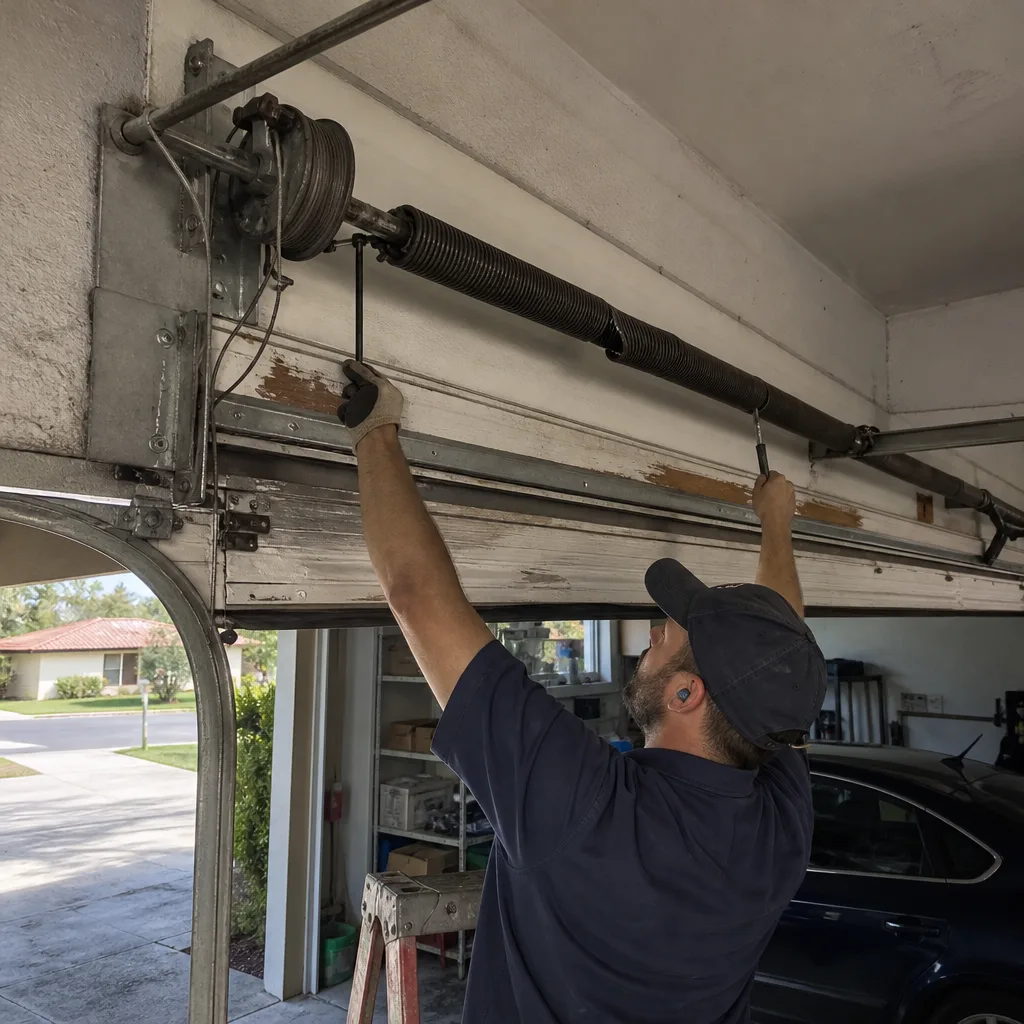
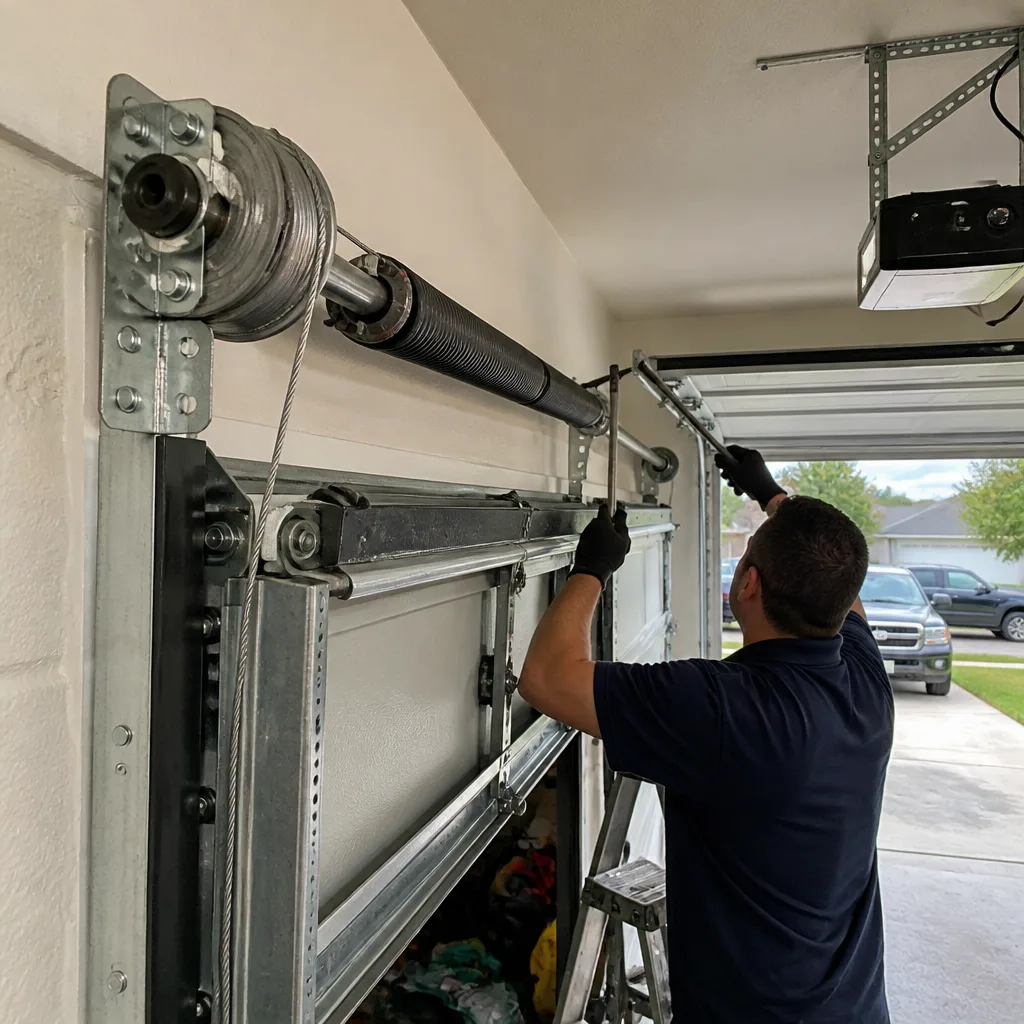
- The ability to identify which spring system you have. Torsion springs sit above the door, horizontal, mounted on a metal tube. Extension springs run along the horizontal tracks on both sides. Before you touch anything, know which one you’re looking at. Torsion springs mean Category 3 for almost any spring work. Period.
The knowledge component matters more than the tools. You need to understand what a tension-free door looks like. When the door is fully raised, the cables are slack and the springs are at their least-loaded state. When the door is down, the springs are loaded. Many DIY injuries happen because a homeowner releases a cable while the door is partially down, thinking the door is balanced. It isn’t. The spring is holding it.
Tasks That Are Legal but Carry Injury Risk
Category 2 includes work that doesn’t require a permit in West Palm Beach but still puts you underneath or next to a moving door that can weigh 150 to 300 pounds. These tasks are doable by a careful homeowner, but they demand respect and the right setup. If you’re uncomfortable at any point, stop. This is not the place to prove a point.
Track realignment
Garage door tracks are vertical on the sides and horizontal near the ceiling. They’re bolted to brackets that can loosen over time, especially in a humid climate where wood frames swell and contract. When a track is out of plumb, the door shudders on the way up. Fixing it means loosening the bracket bolts, using a level to get the track vertical, and retightening. The danger: the door is in the tracks while you work. Keep it closed, disconnect the opener, and never remove more bolts than you need to adjust.
Roller replacement
Rollers wear out. Nylon rollers last five to seven years in West Palm Beach’s heat, steel rollers less. Replacing a roller on the sides of the door is straightforward when the door is fully up and the tension is off. But the bottom rollers are a different story. They sit in brackets that anchor the lift cables. Touching them means touching the cable system, which moves this from Category 2 to Category 3 in our book. We’ve seen homeowners remove a bottom roller bracket, release the cable, and watch the door drop. The repair bill after that is never small.
Tightening loose hardware
Every month or two, walk around your door with a socket set and tighten the bolts on hinges, brackets, and track mounts. This is simple, safe, and prevents most of the wobble and noise that homeowners mistake for a dying opener. The only rule: do it with the door closed and the opener disconnected. If the door moves while you’re underneath it, that’s on you.
For anything in Category 2, the smartest version of DIY is knowing your limit. Doyle Garage Doors West Palm Beach has seen hundreds of doors where a homeowner started a Category 2 task and converted it into a Category 3 emergency. There’s no shame in calling before it gets worse. The garage door repair team in West Palm Beach would rather help you with a ten-minute fix than a two-hour rebuild.
Tasks That Require a Licensed Contractor
Now we get to Category 3. These are the jobs where the answer is not “be careful.” The answer is “call someone who is licensed, insured, and carrying the right tools.” In West Palm Beach, that means a contractor who understands the Florida Building Code, wind-load requirements, and the specific failure modes of doors in a coastal climate.
Torsion spring replacement
A torsion spring, the large coil mounted above the door that does most of the lifting, is the single most dangerous component in your garage. When it breaks, it sounds like a gunshot. When it breaks while someone is winding it with the wrong tools, the injuries are often permanent. Replacement requires winding bars, not screwdrivers or pry bars you happen to have in a drawer. The bars must be the right diameter for the winding cone. The spring must be matched to the door’s weight and height, not guessed at. And the replacement spring must be tensioned in precise quarter-turn increments. A professional in West Palm Beach typically charges $220 to $280 for a single torsion spring replacement, including the part and labor. A homeowner who gets it wrong typically pays $400 to $900 to fix the resulting damage. That’s not a scare tactic. That’s the math.
Cable replacement
The lift cables run along both sides of the door and connect the bottom roller brackets to the spring system. They carry the entire weight of the door when the springs do their job. When a cable frays or snaps, the door can drop unevenly, jam in the tracks, or fall outright. Replacing a cable means working directly with the tensioned spring system. There is no safe homeowner version of this on a torsion spring door. On an extension spring door, the job is slightly less perilous, but still involves stretching new cable under load. A Palm Beach County contractor does this with the right clamps and the right sequence.
Any work requiring a permit
As covered above, a full door replacement in West Palm Beach requires a permit because the door is a wind-rated opening. A licensed contractor pulls the permit, schedules the inspection, and stands behind the work if a hurricane season test finds a problem. A homeowner who skips the permit accepts that liability personally. For a new door installation, the garage door installation service in West Palm Beach handles the permitting, the wind-load calculations, and the final inspection, so the homeowner doesn’t have to navigate the county’s building department.
For garage door opener repair in West Palm Beach, the permit question rarely comes up. Openers are electrical devices, not structural components. But when an opener replacement involves new wiring or changes to the door’s balance, a permit can enter the picture. A licensed contractor tells you up front.
The Real Cost Comparison: DIY Gone Wrong vs Professional Repair
Let’s put actual numbers on the DIY-versus-professional decision, because “you’ll regret it” is not a financial argument. For detailed pricing on specific projects, see our Garage Door Cost Breakdown: The West Palm Beach Homeowner’s Reference for 2026. Here’s what we see in West Palm Beach, based on thousands of service calls:
| Scenario | DIY Approach | Professional Approach | Typical Cost Difference |
|---|---|---|---|
| Torsion spring replacement | Spring ordered online: $40-$80. Winding bars improvised. Risk of injury and door damage. | Spring matched to door, professionally wound, tested: $220-$280 | Professional costs about $150-$200 more, includes warranty |
| Failed DIY spring attempt | Bent track, dented panel, possible injury: $400-$900 to correct | Not applicable; the professional does it right the first time | DIY attempt costs $180-$620 more than hiring a pro from the start |
| Opener replacement | Unit from big-box store: $180-$250. Installation takes 4-6 hours for a first-timer. | Unit plus installation from a brand like LiftMaster or Chamberlain: $450-$650 installed | Professional costs about $200-$400 more, includes programming and disposal |
| Weather seal replacement | Seal kit: $15-$25. Thirty minutes of work. | Service call: $75-$120 | DIY saves $50-$100; this is a genuine DIY win |
| Sensor cleaning | Free, five minutes | Service call: $75-$120 | DIY saves the full service call amount |
The pattern: on the dangerous, permit-triggering work, professional service costs less than the most common DIY failure path. On the simple maintenance tasks, DIY is a clear financial winner. The mistake homeowners make is applying the DIY mindset to Category 3 work and the professional mindset to Category 1 work.
When DIY Is the Right Answer
We’re a garage door company, and we’re telling you that some tasks shouldn’t involve us. A homeowner in West Palm Beach with basic competence and thirty minutes can handle these without a second thought:
- Cleaning photo-eye sensors. If the door won’t close and the lights flash, wipe the lenses. This fixes roughly a third of the “broken door” calls we would otherwise charge a service fee for.
- Replacing a dead opener battery. Not the remote battery, the backup battery inside the motor unit. It’s a rectangular pack that unclips. This matters in West Palm Beach because power outages are frequent enough that a dead backup battery means a door you can’t open during an outage.
- Reprogramming a remote after an electrical storm. Thunderstorms knock out opener memory more often than you’d think. The “learn” button procedure takes less than a minute.
- Reattaching a weather seal. If the rubber strip along the bottom has pulled loose but isn’t torn, you can usually press it back into its track with a flathead screwdriver. Do this with the door fully raised.
- Lubricating hinges and springs. Twice a year, ten minutes, one can of white lithium grease. This single habit extends the life of your door more than any other homeowner action.
These are the tasks where the “DIY vs professional” question has an obvious answer. Do them yourself. Save the service call. Spend the savings on the professional work that actually requires a pro.
Common Mistakes to Avoid
- Using WD-40 on the tracks and springs. It’s a degreaser that strips lubrication. It makes the door louder, not quieter. Use white lithium grease or silicone spray instead.
- Touching a torsion spring with anything other than proper winding bars. A screwdriver or pry bar in the winding cone is how emergency rooms get new patients. Torsion springs store crossbow-level energy with no safety catch.
- Releasing a cable while the door is partially down. The door looks balanced, but the spring is holding the weight. Release the cable and the door becomes a 200-pound projectile.
- Skipping the permit on a door replacement in Palm Beach County. The code doesn’t care whether a homeowner or a contractor did the work. Unpermitted door work surfaces during home sales and insurance claims. In West Palm Beach, wind-load compliance is not optional.
- Guessing at spring size when ordering a replacement online. Springs are matched to door weight, height, and track configuration. A spring that’s too strong or too weak either slams the door or won’t lift it. The $40 spring becomes a $500 correction.
- Ignoring a fraying cable. When you see a single broken strand, the cable is failing. It might hold for two more weeks or two more cycles. When it snaps, the door drops unevenly and often jams. A $150 cable replacement today beats a $600 door rebuild next month.
- Assuming every garage door company in West Palm Beach is the same. They’re not. Some send a tech with no name badge, no written price, and no warranty. Others send a tech whose name and photo you receive before they arrive, with a written price in hand and a 365-day guarantee in writing. That’s the Threshold Standard.
When to Call a Professional
Call a professional when the door is off its tracks, when a spring has snapped, when a cable is fraying, when the door won’t stay up or won’t come down, or when you’re planning a full door replacement in West Palm Beach. These are not the moments to watch a video and improvise. The risk isn’t just to the door. It’s to you.
Doyle Garage Doors West Palm Beach offers free estimates for repair and replacement work throughout West Palm Beach. We’ll send a technician’s name and photo before the visit, hand you a written price before a single bolt turns, and back every repair with a written 365-day guarantee. Call (728) 220-0705 to schedule.
Frequently Asked Questions
A single torsion spring replacement in West Palm Beach typically runs $220 to $280, including the spring and labor. A pair runs $320 to $450. Extension spring replacement runs slightly less, usually $180 to $250. These prices assume a standard residential door in good structural condition. Call (728) 220-0705 for an exact quote on your door; estimates are free.
Legally, no: replacing a torsion spring or any load-bearing garage door component without a permit in Palm Beach County is a code violation, even if you own the home. Practically, it’s also the most dangerous job in the garage. The spring stores 150 foot-pounds of torque, and the tools required are specialized. This is work for a licensed contractor.
Yes, a full garage door replacement in West Palm Beach requires a permit because the door is a wind-rated opening under the Florida Building Code. A licensed contractor pulls the permit and schedules the inspection. Unpermitted door work can surface during a home sale or insurance claim.
Clean the photo-eye sensors, lubricate the hinges and springs with white lithium grease, reprogram a remote after a power surge, replace a dead opener battery, and reattach a weather seal on a fully raised, tension-free door. These tasks need no permit, no specialized tools, and no exposure to stored spring energy.
The most likely cause is dirty or misaligned photo-eye sensors near the bottom of the door tracks. Wipe both lenses, check that the LED lights are steady, and adjust the brackets until they’re aligned. If that doesn’t fix it, the travel limit settings on the opener may need adjustment. Call (728) 220-0705 and we’ll walk you through it or send a tech.
A well-maintained steel door in West Palm Beach lasts 15 to 20 years, but the salt air shortens the life of hardware like springs, cables, and rollers. Springs typically fail every seven to ten years, rollers every five to seven, and weather seals every two to three. Regular lubrication and prompt hardware replacement extend the door’s life significantly.
Yes. Our technicians in West Palm Beach run fully stocked trucks with common torsion and extension springs, lift cables, rollers, hinges, and opener parts for all major brands including LiftMaster, Chamberlain, Genie, Clopay, Amarr, Wayne Dalton, Craftsman, and Raynor. If your repair is standard, we’ll finish it in one visit.
No. We write the price down and hand it to you before any work starts. That written price includes parts, labor, and any disposal fees. It does not change unless you choose to add work. If we find additional issues during the repair, we show you a new written price and you decide. No surprises, no upsell pressure.
The Bottom Line
The DIY-versus-professional decision in West Palm Beach isn’t a test of your competence. It’s a question of which category the task falls into. For more guides & resources on keeping your door safe and functional, explore our blog. Lubricate, clean, reprogram, and reseal on your own. Those are your wins. But when the work involves a torsion spring, a cable, or a permit, hire someone who’s licensed, insured, and willing to put their name and guarantee in writing. A failed DIY spring job costs more than the professional repair would have from the start, and the injury risk has no price tag at all.
For repairs and installations throughout West Palm Beach, Doyle Garage Doors West Palm Beach offers the written price, the written 365-day guarantee, and the technician name-and-photo notification before every visit. We’re part of the Threshold Group family, independently operated but held to the Threshold Standard on every job. For a free estimate, call (728) 220-0705. A real person answers, day or night, weekends and holidays included.
Written by Aaron Teague, Owner at Doyle Garage Doors West Palm Beach, serving West Palm Beach since 2001.
See the difference
 Before
 After
After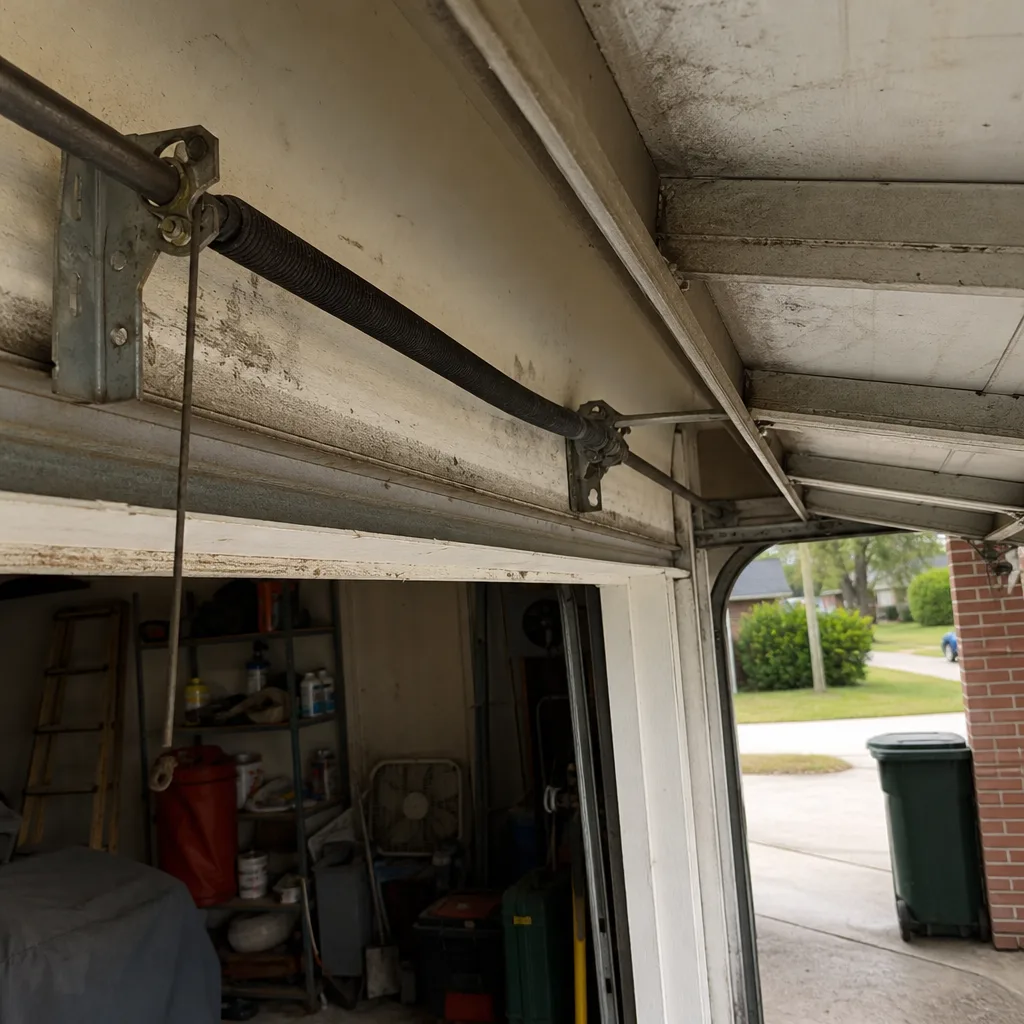 Before
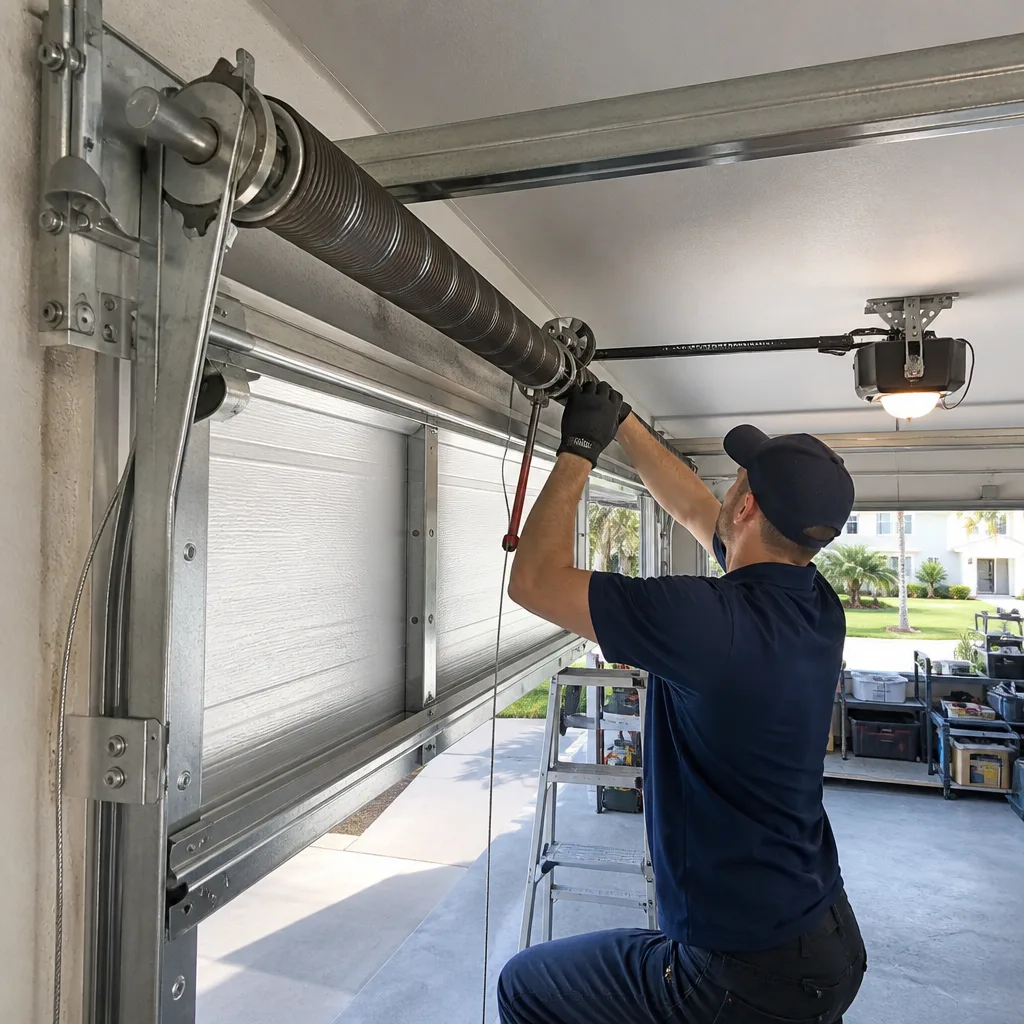 After
After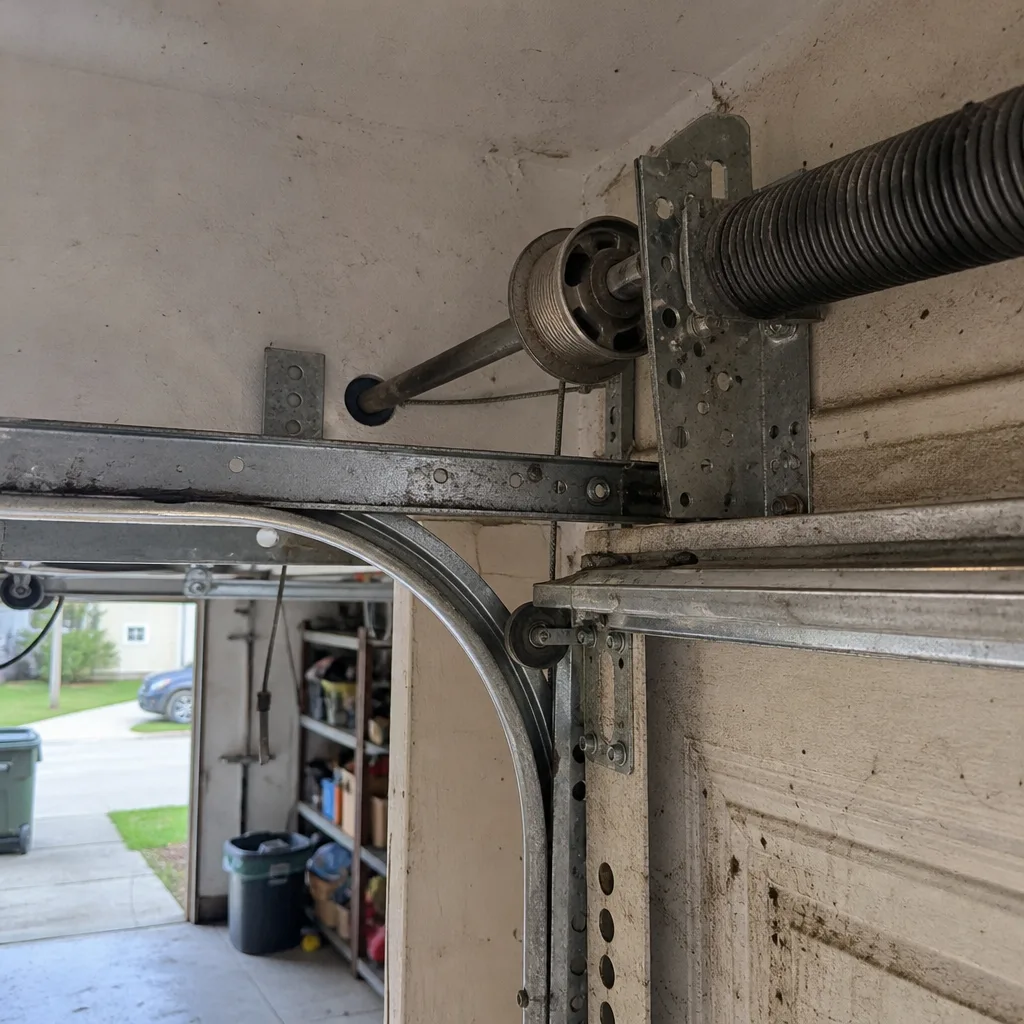 Before
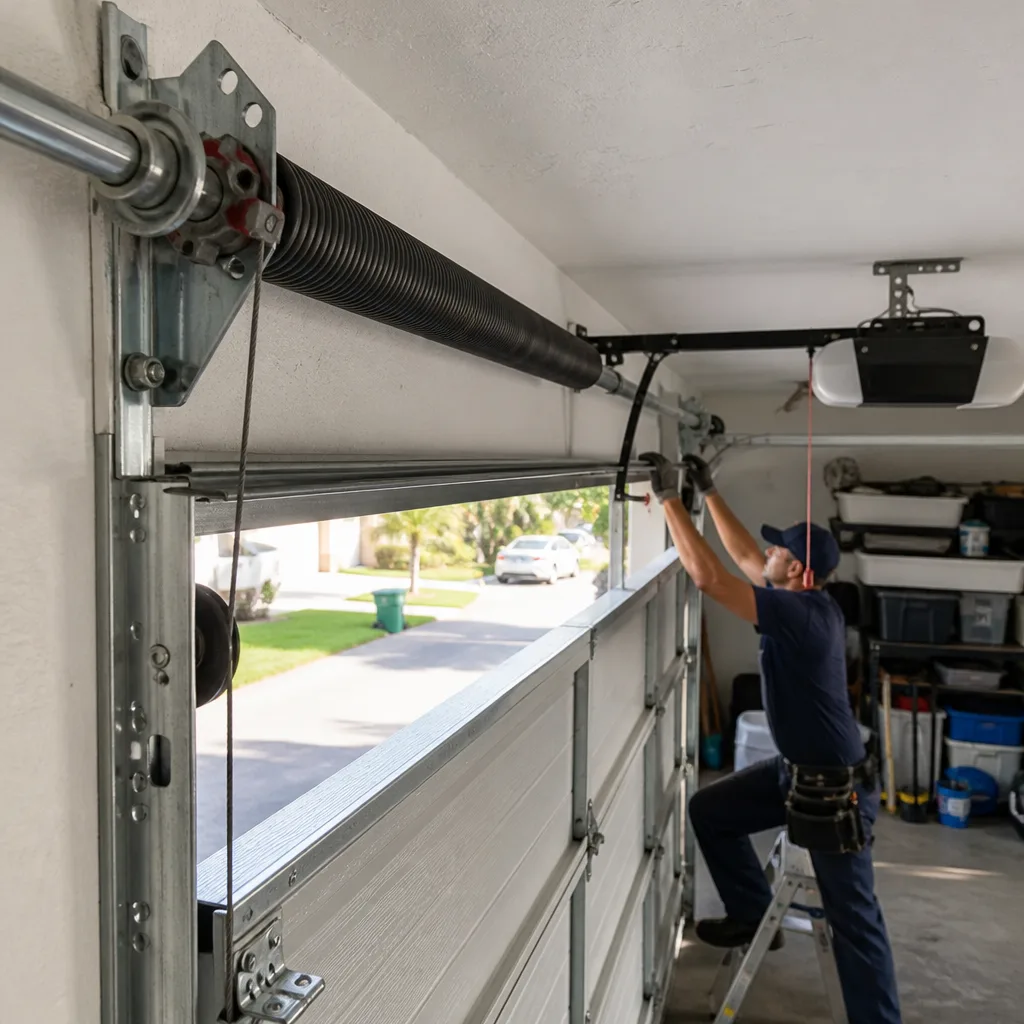 After
After