
Last updated October 16, 2026
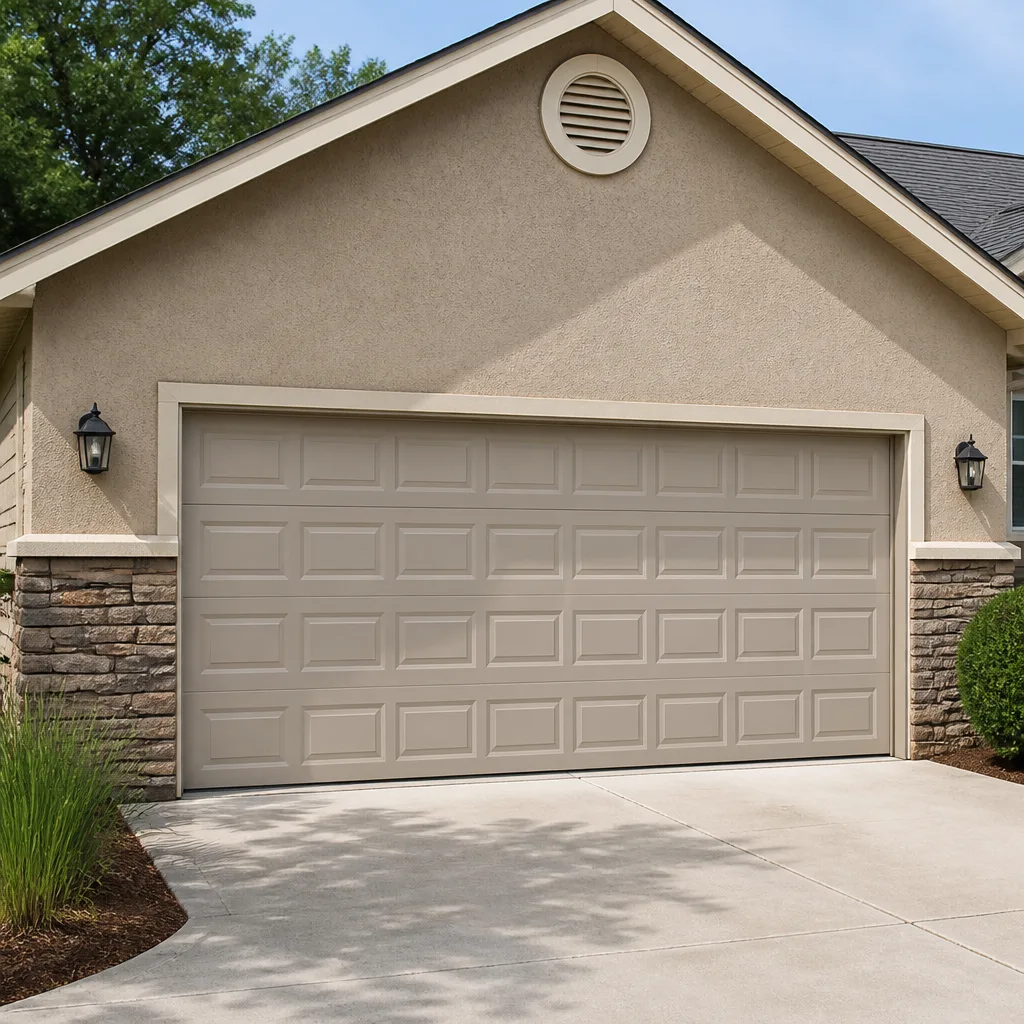 Raised-panel steel
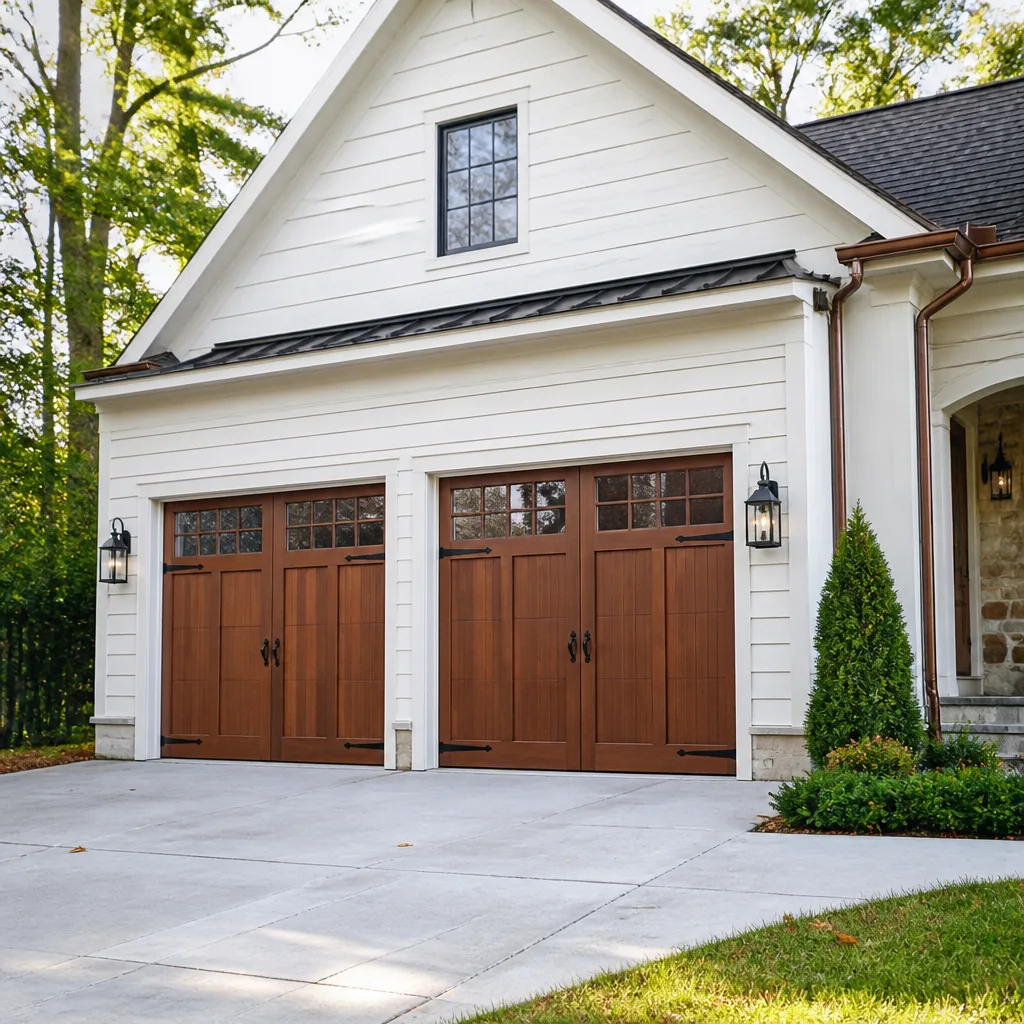 Carriage house
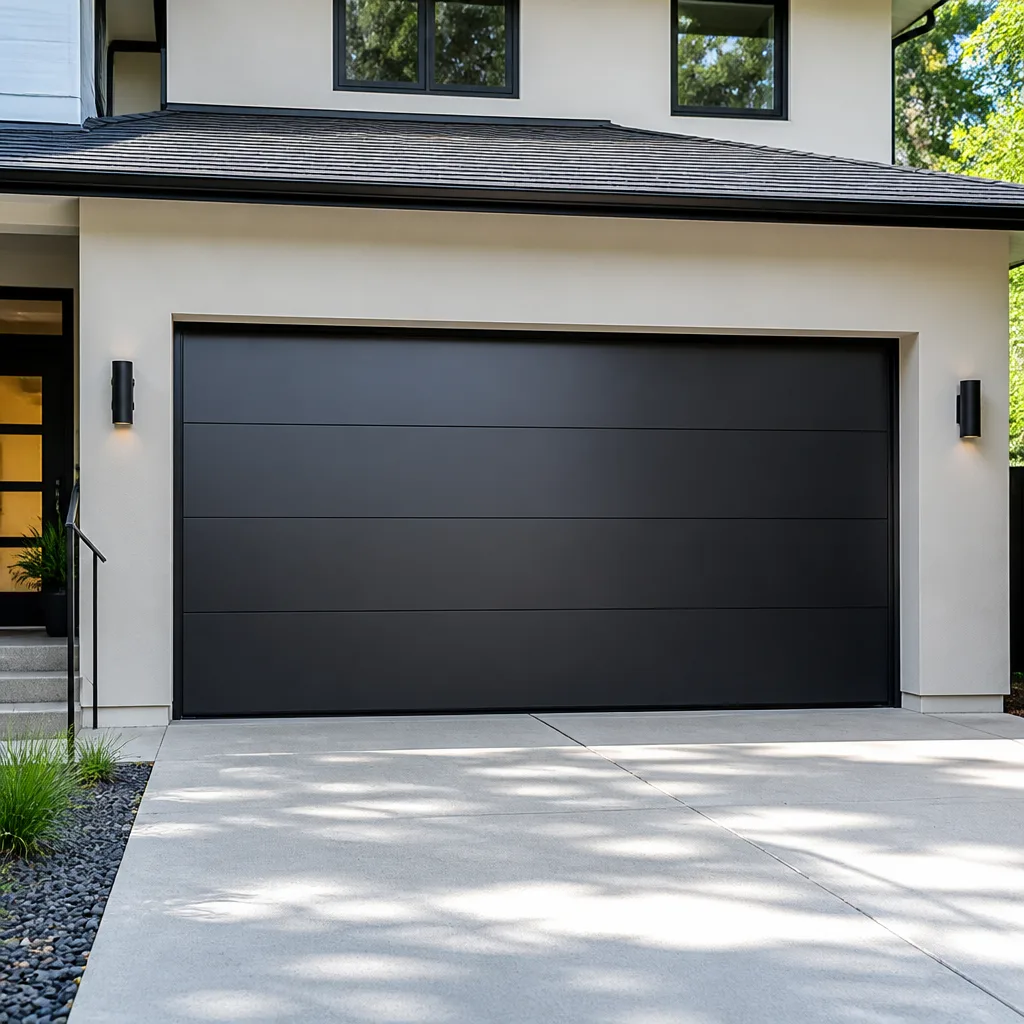 Modern flush
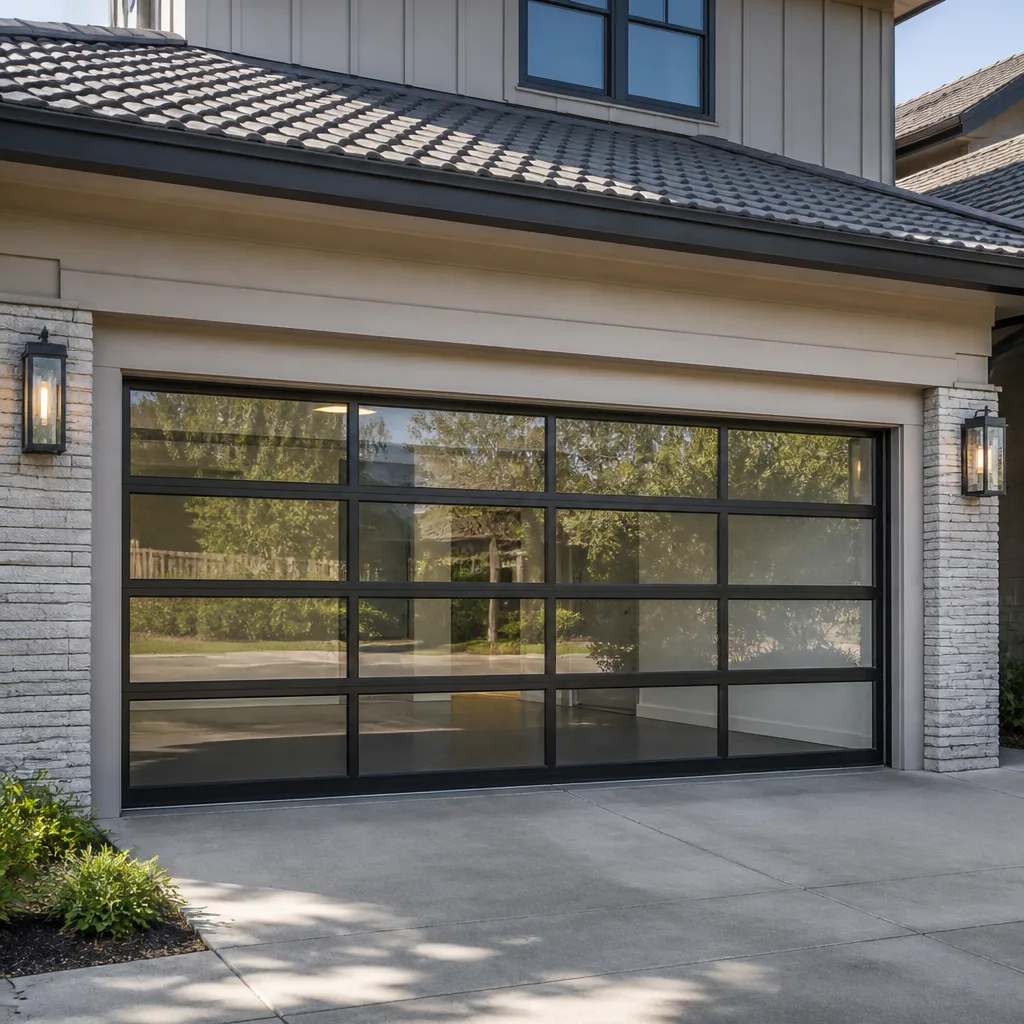 Full-view glass
 LiftMaster openers
 Chamberlain openers
Full 25-point door and opener safety check with every visit - springs, cables, rollers, tracks, and your LiftMaster or Chamberlain opener included
You get a price before we start. It does not change when the truck arrives.
Get your free estimateGarage Door Warning Signs: A West Palm Beach Homeowner’s Reference Guide
A garage door that pauses for half a second before moving is almost universally described by homeowners as “just being slow.” In reality, that hesitation is usually a limit switch starting to fail or a torsion spring losing tension, both of which turn into a non-functional door within weeks. The salt air in West Palm Beach accelerates every wear pattern other markets see in five years down to three or fewer, which means our warning signs look a little different than what national guides describe. This reference guide maps each sound, visual cue, and behavioral quirk to its probable cause and urgency level, so you know whether to watch it for a month, schedule a repair within two weeks, or stop using the door today. For a broader overview of maintenance and repair topics, see our The Complete Guide to Garage Door in West Palm Beach.
Quick Answer
The most common garage door warning signs in West Palm Beach are a door that hesitates before moving, a grinding or popping sound during operation, rust-colored streaking below the torsion spring shaft, visible fraying on the lift cables, and a door that reverses before touching the floor. Any of these paired with a door that’s suddenly heavier to lift manually means a spring or cable is close to failure and the door should not be used until it’s inspected. Coastal corrosion compresses the timeline: what would be a “keep an eye on it” issue in Orlando is often a “schedule this month” issue in West Palm Beach.
Styles & brands we work with
Table of Contents
- Sound-Based Diagnostics: What Your Door Is Actually Telling You
- Visual Warning Signs Unique to West Palm Beach
- The Three Urgency Tiers: Monitor, Schedule, Stop
- Opener-Specific Warning Signs
- The 30-Second Visual Inspection
- Why West Palm Beach Conditions Accelerate Wear
- Common Mistakes to Avoid
- When to Call a Professional
- Frequently Asked Questions
Sound-Based Diagnostics: What Your Door Is Actually Telling You
Most garage door problems announce themselves acoustically months before they become mechanical failures. The trick is knowing which sounds are normal for a door that lives in a salt-air environment and which ones mean a component is actively degrading. We’ve been doing garage door repair in West Palm Beach since 2001, and the sound patterns we hear from coastal doors are consistent enough to map with real precision.
A grinding sound during operation is the most common noise complaint in West Palm Beach, and it almost always traces to roller bearings that have dried out or begun corroding. The rollers are the small wheels that ride inside the metal track on either side of the door. In a salt-air environment, the thin lubricant inside each roller bearing breaks down faster than the bearing itself wears, which means metal-on-metal contact starts early. Grinding means the rollers are no longer spinning freely, and every cycle is putting additional strain on the opener motor and the torsion spring, the large coil mounted above the door that does most of the lifting. With brands like Amarr and Wayne Dalton doors, the roller design varies, but the failure mode is the same: dry bearings grind, then bind, then fail.
A popping sound, by contrast, is almost always the torsion spring. When a spring loses tension unevenly or begins to develop a fatigue crack, the individual coils can slip against each other under load, producing a sharp pop. This is not a sound to wait on. A popping spring is a spring that has already begun to fail, and the remaining lifespan is usually measured in cycles, not weeks. In coastal conditions, surface corrosion on the spring accelerates fatigue cracking because the protective coating is compromised by salt exposure.
A slapping sound is typically one of two things: a loose bottom weather seal that’s flapping against the driveway as the door moves, or a lift cable that has jumped a groove on the cable drum. The first is cosmetic and inexpensive to fix. The second is serious. If a cable is out of its drum groove, the door may be lifting slightly unevenly, and that imbalance will eventually cause the cable to snap or the drum to bind. If you hear slapping more than once, look at the drums at the top corners of the door while it moves. A cable riding outside its groove is visible if you know what you’re looking for.
Visual Warning Signs Unique to West Palm Beach
Coastal air writes on your garage door in ways that inland homeowners never see. Three visual cues in particular show up disproportionately in West Palm Beach and the surrounding neighborhoods.
Rust-colored streaking below the torsion spring shaft is one of the earliest indicators of corrosion on the shaft bearings. The bearing plates at either end of the spring shaft are typically steel, and when they begin to rust, rainwater and condensation carry a fine rust stain down the door or the header. This streak usually appears months before the bearing begins to fail audibly. If you see it, the bearing has already lost its protective coating and has entered active corrosion. The failure, when it comes, is sudden: a seized bearing can snap a torsion spring because the spring suddenly carries the entire load without the bearing assisting rotation.
White oxidation crust on aluminum rollers is a salt-air signature. Aluminum doesn’t rust red, it corrodes into a chalky white powder. If your rollers show this crust, the metal surface is pitted and rough, which means the roller can no longer spin smoothly inside the track. This is different from normal dust accumulation. The crust is crusty, it doesn’t wipe off with a dry finger, and it indicates the roller’s structural integrity is compromised. Pitted rollers bind, and a bound roller can derail a door.
UV-faded panel sections that don’t match indicate a weatherstripping failure rather than a simple sun-fade issue. If the bottom panel of your door is noticeably lighter, or if there’s a faded strip where the door meets the track on one side only, the weatherstripping has failed at that location. Sunlight and salt air are entering the garage at that point, and more importantly, water is too. The same UV exposure that faded the panel is also baking the rollers, hinges, and track lubricant on that side. If you have a Raynor or Craftsman door with painted steel panels, fade is entirely expected over a decade, but asymmetric fade is a weatherstripping diagnostic, not a paint quality issue.
The Three Urgency Tiers: Monitor, Schedule, Stop
Not every warning sign requires an immediate service call. But treating a Tier 3 sign like a Tier 1 sign is how a $150 roller replacement becomes a $700 spring and cable job. Here’s the framework we use when homeowners describe what they’re seeing.
Tier 1: Monitor for 30 Days
These are early indicators that something is beginning to wear, but the component is not yet compromised. Watch for changes. If the sign progresses, move it up a tier.
- A faint grinding sound that comes and goes with the weather. Cold fronts and dry spells make it louder; humid weeks quiet it down. This is early roller bearing dry-out.
- Rust-colored streaking that’s new but the door still opens smoothly and quietly.
- A door that’s consistently 1-2 seconds slower than it used to be, but with no other symptoms.
- UV fade on one panel section, but no visible weatherstripping gap and no water intrusion.
If any of these conditions has existed for more than 30 days, don’t extend the monitoring window. Coastal wear compounds, and what’s quiet now won’t be quiet forever.
Tier 2: Schedule Within Two Weeks
These signs mean a component is actively failing. The door still functions, but every cycle is doing damage to adjacent components.
- Consistent grinding that you can hear from inside the house, not just from the garage.
- Popping sounds during operation, even if they’re occasional.
- Visible white oxidation crust on more than one roller.
- Slapping sounds that recur, especially if you can see a cable riding outside its drum groove.
- A door that visibly shudders or rocks side-to-side as it moves through the middle of the track.
At Tier 2, replacing worn rollers or rebalancing a spring is a few hundred dollars. At Tier 3, the same door often needs spring replacement, cable replacement, and sometimes opener repair because the motor has been working against resistance for too long.
Tier 3: Stop Using the Door Today
These signs mean a load-bearing component has failed or is in the process of failing. The door is unsafe to operate until it’s inspected.
- The door hangs crooked in the opening when partially raised.
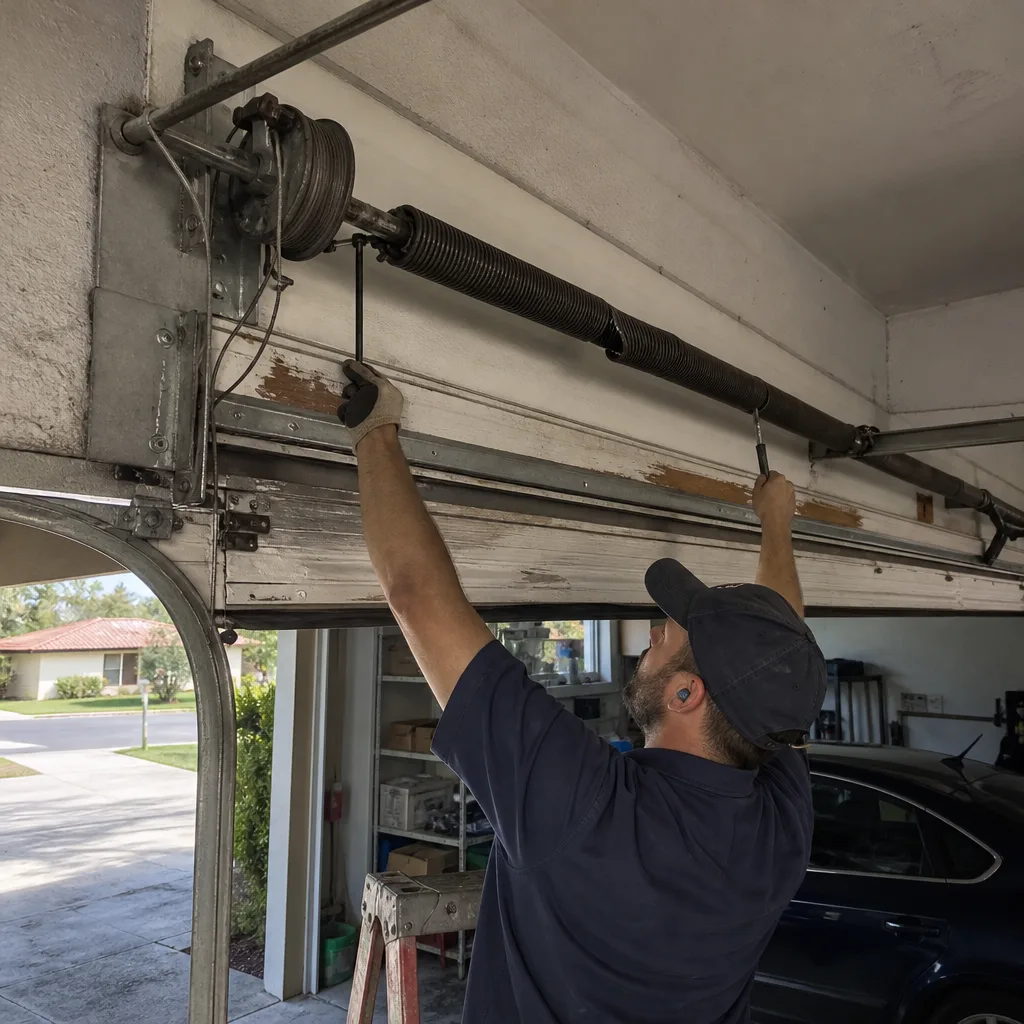
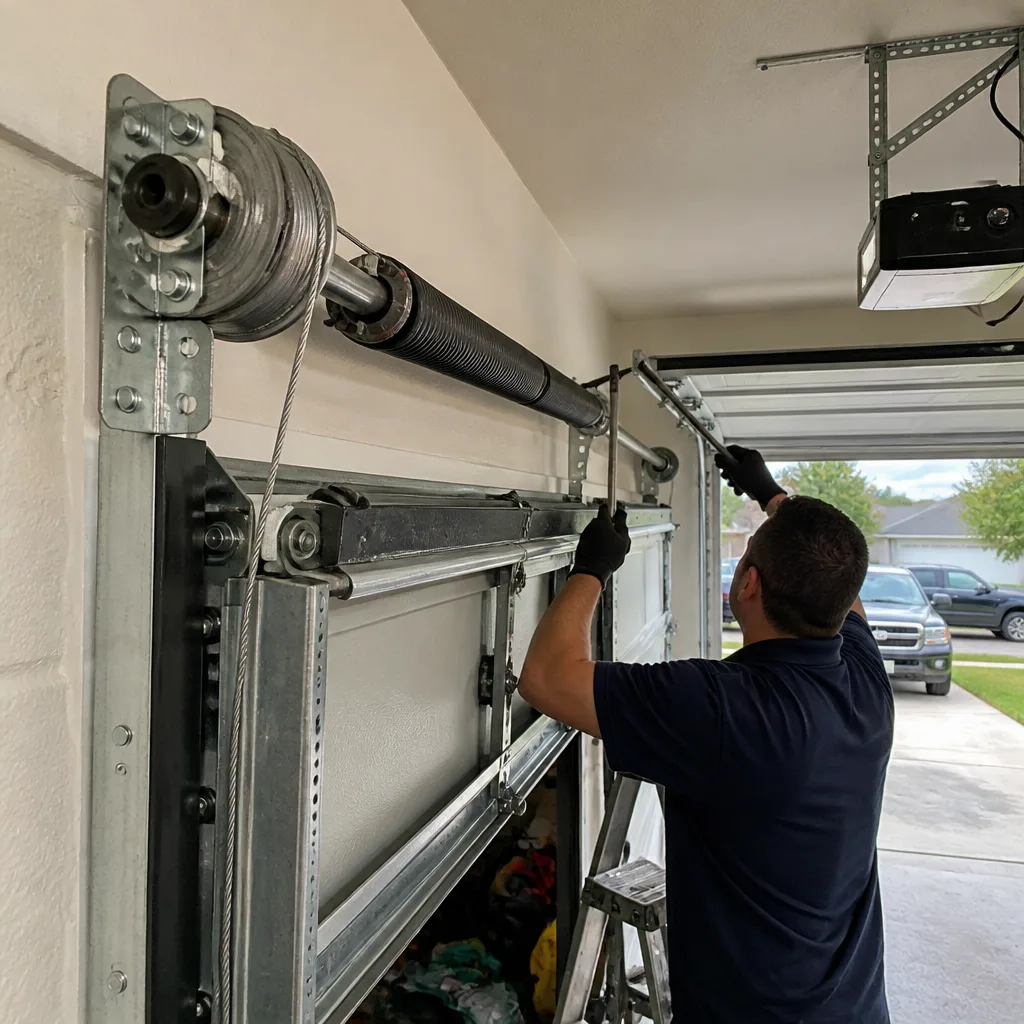
- You can see a visible gap in the middle of the torsion spring coils. An intact spring is one continuous coil. A broken spring has a visible separation where it snapped.
- The door drops quickly if you release it mid-travel, or you can’t lift it manually without significant effort.
- A cable is visibly frayed, with individual wire strands splayed out near the drum or at the bottom bracket.
- White oxidation crust on more than one roller, combined with any grinding sound. Pitted rollers under load can bind and derail the door, which can pull the door out of the track and bring it down.
If you’re in Tier 3, disconnect the opener and leave the door closed if you can. Don’t operate it manually. Torsion springs are under enormous tension, and the cables and drums are what keep that tension from releasing violently. This is the one situation where even a confident DIYer should not touch the hardware. Call a professional.
Opener-Specific Warning Signs
Your opener is a separate system from your door, and it has its own failure modes. These are the ones we see most often in West Palm Beach.
A door that reverses before touching the floor is almost always a photo-eye issue. The photo-eyes are the small sensors mounted about six inches off the ground on either side of the door opening. They project an invisible beam between them; if that beam is broken, the opener assumes something is in the way and refuses to close. In West Palm Beach, the usual culprits are dust, spider webs, or a sensor that’s been nudged out of alignment by a car bumper or a trash can. Check whether both sensors show a solid light (usually green or amber). If one is blinking or dark, the eyes are misaligned or obstructed. Clean the lens, straighten the sensor, and try again. If the door still reverses, it may be a wiring issue.
A door that won’t fully close in summer heat is a thermal expansion problem, usually traceable to limit switch drift. The limit switch tells the opener how far to travel in each direction. In extreme heat, the metal track expands slightly, and the opener’s travel setting no longer matches the physical floor position. The door stops an inch or two short, or it touches the floor and then reverses back up because the opener thinks it’s hit an obstruction. This is a programming adjustment, not a mechanical repair, and it’s covered by garage door opener repair in West Palm Beach typically in one visit.
A motor that runs but the door doesn’t move usually means the trolley carriage has disengaged from the drive mechanism. Most LiftMaster and Chamberlain openers have a release cord hanging from the rail above the door. That cord disconnects the carriage from the belt or chain so you can operate the door manually during a power outage. If that cord gets pulled accidentally, or if the disconnect mechanism wears out, the motor runs happily but the door does nothing. If you pull the red cord and the door starts moving again, you’ve found the problem. If the motor runs and the carriage moves but the door still doesn’t, the drive belt itself may have broken, which is a more involved repair.
The 30-Second Visual Inspection
Every time you use your garage door, there are three things you can check in under thirty seconds. Do this weekly, and you’ll catch most failures before they become emergencies. For a seasonal maintenance schedule tailored to local conditions, see our Seasonal Garage Door Care for West Palm Beach: Year-Round Homeowner’s Guide.
- Look at the lift cables. These are the steel cables that run vertically on either side of the door and wrap around the drums at the top. Check for fraying where the cable enters the drum, and check for any individual wire strands that are sticking out or broken. Frayed cables don’t snap without warning: they give you days or weeks of visible deterioration first.
- Look at the bottom corners. The bottom brackets hold the cable ends and take most of the door’s weight. Look for cracks in the metal, rust staining at the bolt holes, or any sign the bracket is pulling away from the door. A broken bottom bracket is a Tier 3 situation.
- Look at the center of the torsion spring. The spring is the horizontal coil mounted on the wall above the door. Run your eyes along it. An intact spring has no gap between coils. A broken spring has an unmistakable separation, usually right in the middle. If you see a gap, the door is no longer spring-balanced, which means the opener is carrying all the weight, and it’s a matter of days before the opener fails too.
That’s the full inspection. Cables, brackets, spring. Three things, thirty seconds, and you’ll know more about your door’s health than most homeowners ever will.
Why West Palm Beach Conditions Accelerate Wear
The same garage door that lasts twenty years in Denver lasts about eight to twelve in West Palm Beach, and the gap comes down to three local factors that no national maintenance guide accounts for.
Salt air corrosion is the obvious one. The prevailing onshore breeze carries fine salt particles inland for miles, not just to the barrier islands. Everything steel on your door, from the spring to the hinges to the track fasteners, is getting lightly sandblasted by salt year-round. Protective coatings wear off faster, bare metal oxidizes faster, and moving parts grind earlier. This is why we recommend a lubrication and inspection cycle at least twice a year in West Palm Beach, whereas a garage door in Tennessee can go eighteen months easily.
Humidity and condensation are the second factor. West Palm Beach regularly sees 80 to 90 percent humidity, and the temperature swing between day and night means metal components in your garage are constantly crossing the dew point. Condensation forms on the spring, the cables, and the rollers even when it hasn’t rained. That moisture accelerates rust and corrodes electrical connections in the opener.
Thermal expansion from summer heat is the third. Track steel expands measurably when the garage interior hits 100-plus degrees, which happens routinely between June and September. That expansion changes the geometry of the track slightly, and components that are already marginal, like a limit switch that’s drifted or a roller that’s begun to bind, show their symptoms first in August. This is why August is our busiest month for limit switch adjustments and roller replacements. It’s not that the doors fail more in August: it’s that the heat reveals the failures that have been developing all year.
If you’re new to the area, or if you’ve owned your West Palm Beach home for less than five years and never had the garage door inspected, the odds are good that at least one component is further along than you think. Not sure where to start? Read How to Hire a Garage Door Contractor in West Palm Beach: A Step-by-Step Guide to know what to ask. This is the section of your house that cycles open and closed more than any other mechanical system, and it gets the least maintenance attention. A professional inspection costs less than the cheapest emergency repair.
Common Mistakes to Avoid
- Lubricating a grinding sound without diagnosing it first. WD-40 on a noise is tempting, but lubricant on a failing bearing or a cracked spring doesn’t stop the failure, it just hides the warning sign. You’re not fixing the problem, you’re turning off the alarm. Then the failure comes without the warning you were supposed to get.
- Ignoring a visible gap in the spring coils. A broken spring doesn’t always make a dramatic noise. Sometimes it just cracks and sits there. If you see a gap in the middle of the torsion spring, the door is unsafe whether it still opens or not. This is not a monitor situation.
- Treating every opener problem as a remote control battery issue. If the motor runs but the door doesn’t move, a new battery in the remote will do nothing. The problem is in the drive mechanism, and delaying the repair strains the opener motor every time you press the button.
- Attempting to replace a torsion spring yourself. The torsion spring is under enough tension to cause serious injury or death if it releases unexpectedly. This is the one repair where the cost of a professional is not negotiable. In West Palm Beach, a spring replacement typically runs $180 to $340 including the spring, and that price is written down and quoted before any work starts when you call the right company.
- Skipping the annual inspection because the door “works fine.” The door works fine right up until the moment it doesn’t. The point of an inspection is to catch the cable that’s 80 percent frayed or the roller that’s one cycle from binding before they reach the point of failure. The fact that the door still opens is not evidence that everything is healthy.
- Using the door while it’s making a popping sound. Popping is not a lubrication issue and it’s not a squeaky hinge. Popping means the spring is slipping under load. Every cycle you run while it’s popping is one cycle closer to a snap. If you hear popping, stop using the door and call someone.
When to Call a Professional
Call a professional when the warning sign is in Tier 2 or Tier 3, when you’re unsure which tier you’re in, or when the issue involves the spring, the cables, or anything connected to them. A broken roller is annoying; a broken spring or cable is dangerous. If the door is making any sound you can hear from inside the house, if you see fraying on the cables or a gap in the spring coils, or if the door is behaving differently than it did a month ago, don’t wait. West Palm Beach’s climate means the timeline between “I should get that looked at” and “the door is on the ground” is shorter than you’d like. Doyle Garage Doors West Palm Beach offers free estimates throughout West Palm Beach, and the price is written down and handed to you before any work begins. Call (728) 220-0705 day or night, and a live person will answer.
See the difference
 Before
 After
After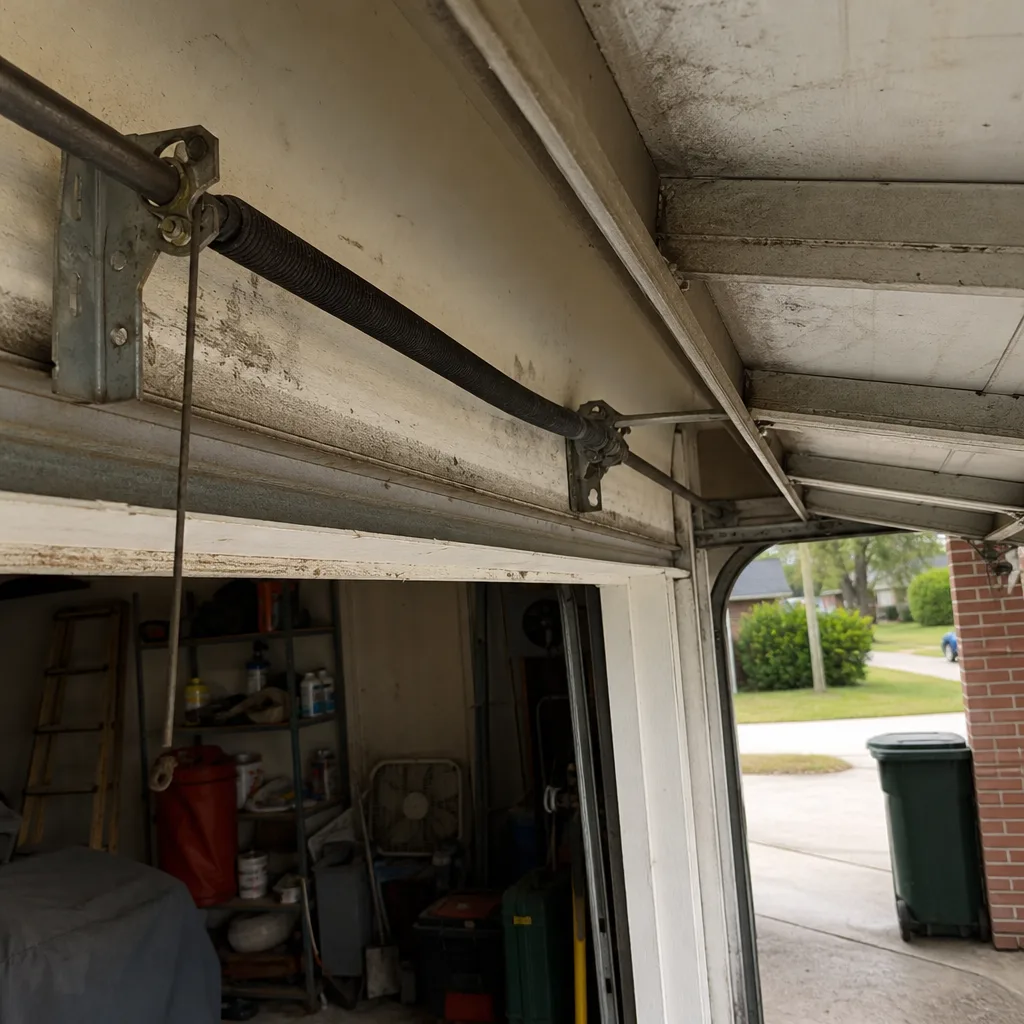 Before
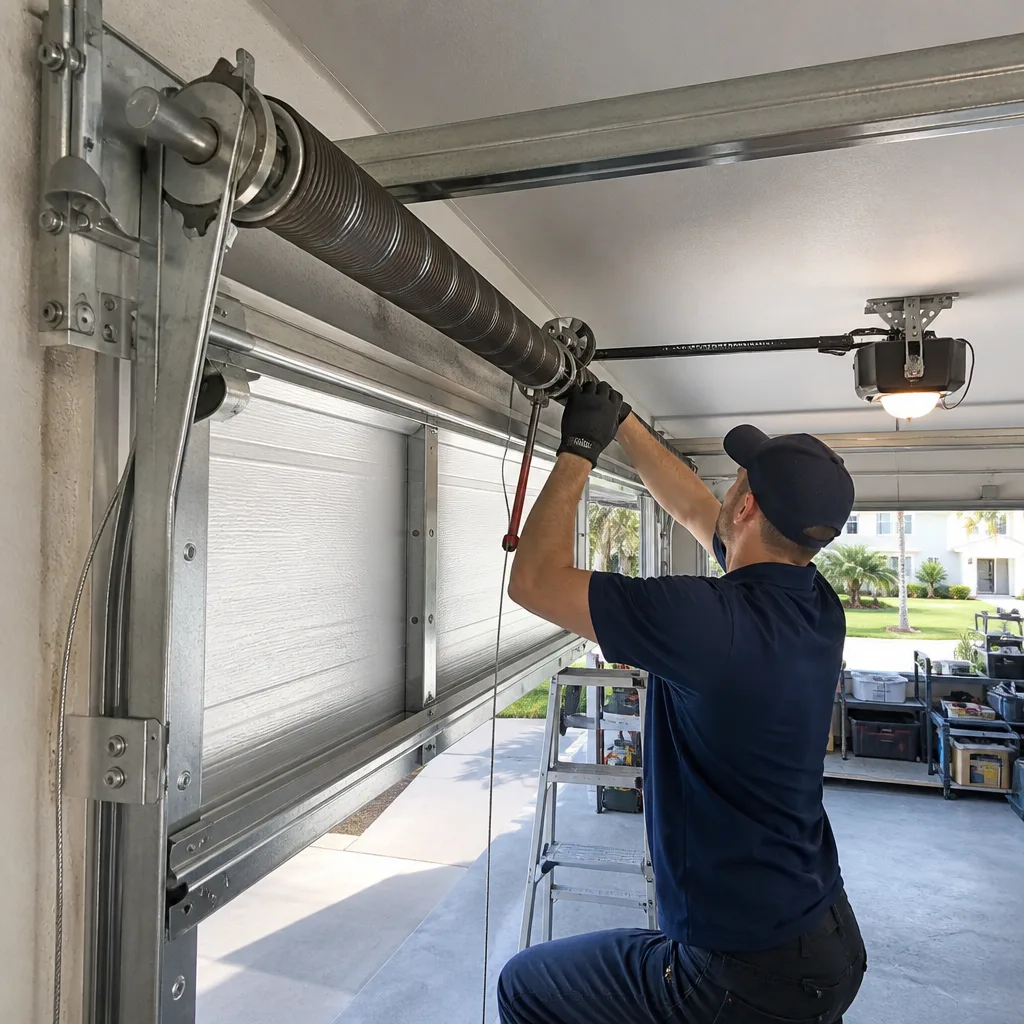 After
After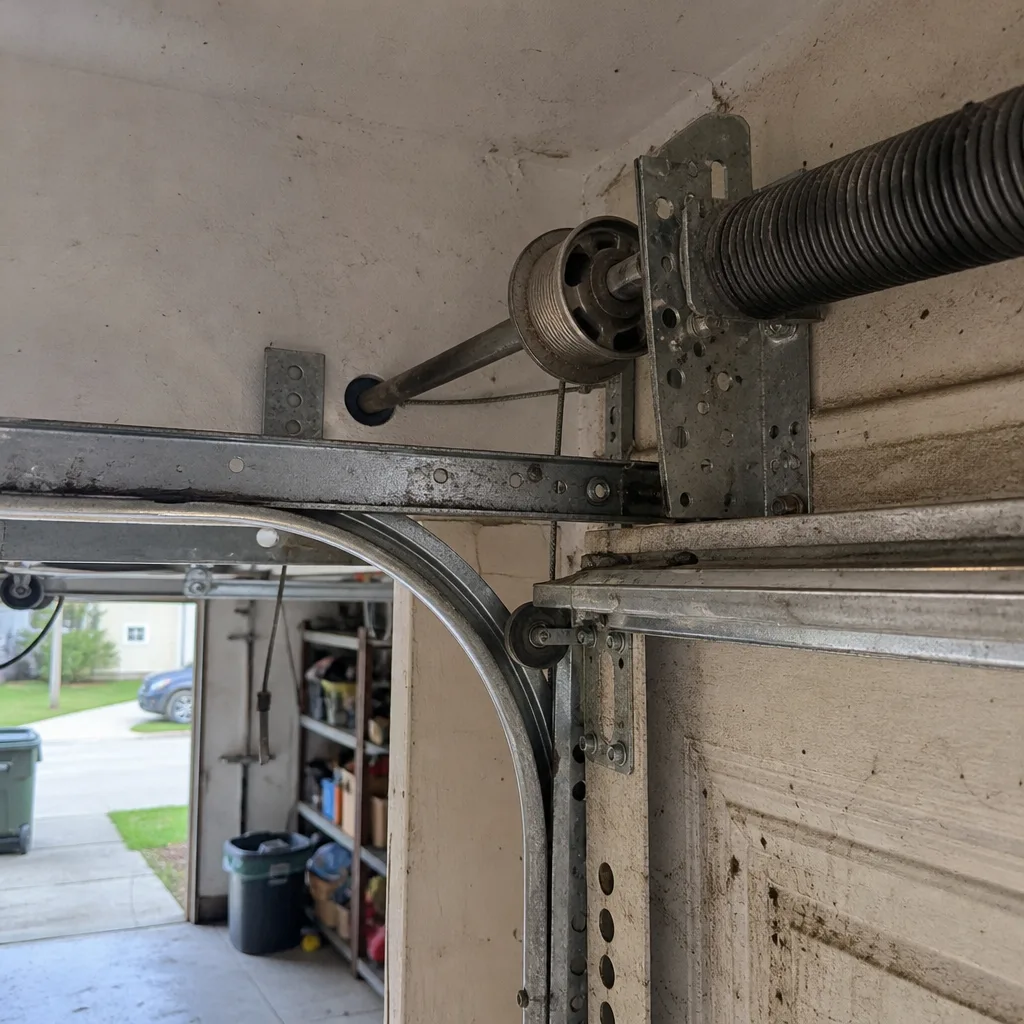 Before
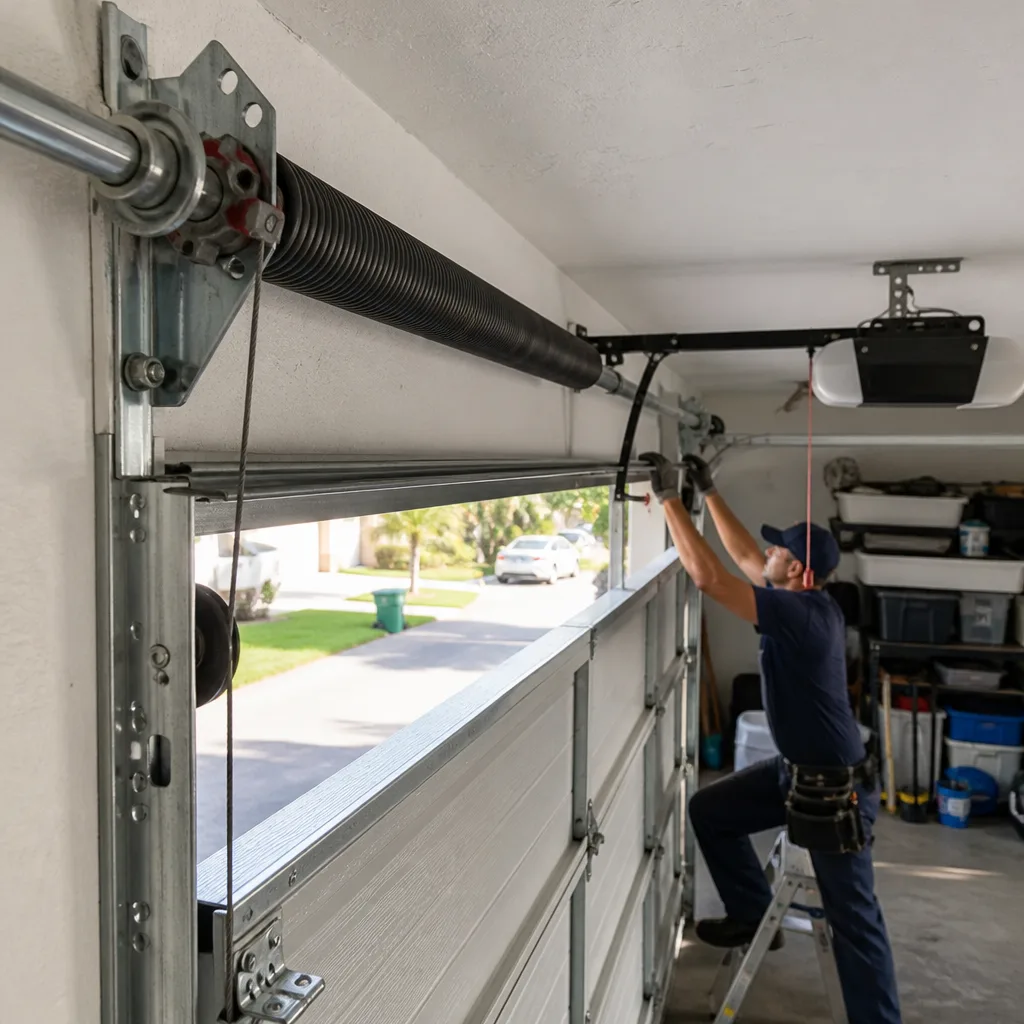 After
AfterFrequently Asked Questions
The most common warning sign in West Palm Beach is a grinding sound during door operation, which is almost always caused by roller bearings that have dried out or begun corroding in the salt air. Left unaddressed, dry rollers bind and strain the spring and opener, eventually turning a $60 repair into a $400 one. Call (728) 220-0705 for a free estimate if you’re hearing consistent grinding.
Garage door spring repair in West Palm Beach typically costs $180 to $340 for a standard torsion spring replacement, including the spring, installation, and a written price quoted before work begins. Heavy or extra-large doors can run higher, and broken springs sometimes damage the cables, which adds $80 to $120 per cable. Doyle Garage Doors West Palm Beach puts every price in writing before any work starts, and every repair includes a 365-day written guarantee.
Yes, most garage door repairs in West Palm Beach can be completed the same day, especially spring, cable, and rol
ler replacements that don’t require parts ordering. Doyle Garage Doors West Palm Beach carries a full stock of springs, rollers, cables, and opener components for major brands including LiftMaster, Chamberlain, Genie, Amarr, Clopay, Wayne Dalton, Craftsman, and Raynor, so the technician usually arrives with what’s needed. Call (728) 220-0705 to schedule a same-day visit.
No, it is not safe to manually open a garage door when the torsion spring is broken because the spring is what counterbalances the door’s weight, and without it the door can come down hard and fast. If the spring is broken, leave the door in place and call a professional. This is the one garage door situation where DIY repair is genuinely dangerous.
No. With a company that operates under the Threshold Standard, the price is quoted and agreed upon before any work begins, and it doesn’t change unless the scope of work changes and is re-agreed in writing. What a technician finds during the inspection is not a reason to raise the estimate. If additional work is needed, you’ll see a written price for the additional work before it’s started, and you can decline it. Call (728) 220-0705 for a free, no-obl
igation estimate.
Yes, the trucks at Doyle Garage Doors West Palm Beach carry springs, rollers, cables, hinges, weatherstripping, opener parts, and motor units for the most common door configurations in West Palm Beach, so most repairs don’t require a second visit. If the door is unusual or the parts need to be ordered, we tell you that before the visit and give you a written price before any work starts. Call (728) 220-0705 to schedule.
The Bottom Line
Your garage door tells you what it needs. The sound it makes when it opens, the stains on the metal, the way it pauses before moving, the way it reverses before touching the floor, each of these is diagnostic if you know how to read it. In West Palm Beach, where salt air and humidity and heat compress every timeline, the gap between a minor repair and an emergency is measured in weeks, not months. Watch the
cables, the brackets, and the spring. Learn the tiers. And when a
warning sign
shows up in Tier 2 or Tier 3, call a professional before the door makes the decision for you. Doyle Garage Doors West Palm Beach has been serving West Palm Beach homeowners since 2001, and a real person answers the phone at (728) 220-0705 every day, night, weekend, and holiday. If you need a new door instead, our garage door installation in West Palm Beach team handles new doors and replacements with the same written
-price
commitment. Written price before any work starts, written guarantee on every repair, and the technician’s name and photo sent to you before they arrive. That’s how garage door repair should work.
Written by Aaron Teague, Owner at Doyle Garage Doors West Palm Beach, serving West Palm Beach since 2001.