
Last updated October 16, 2026
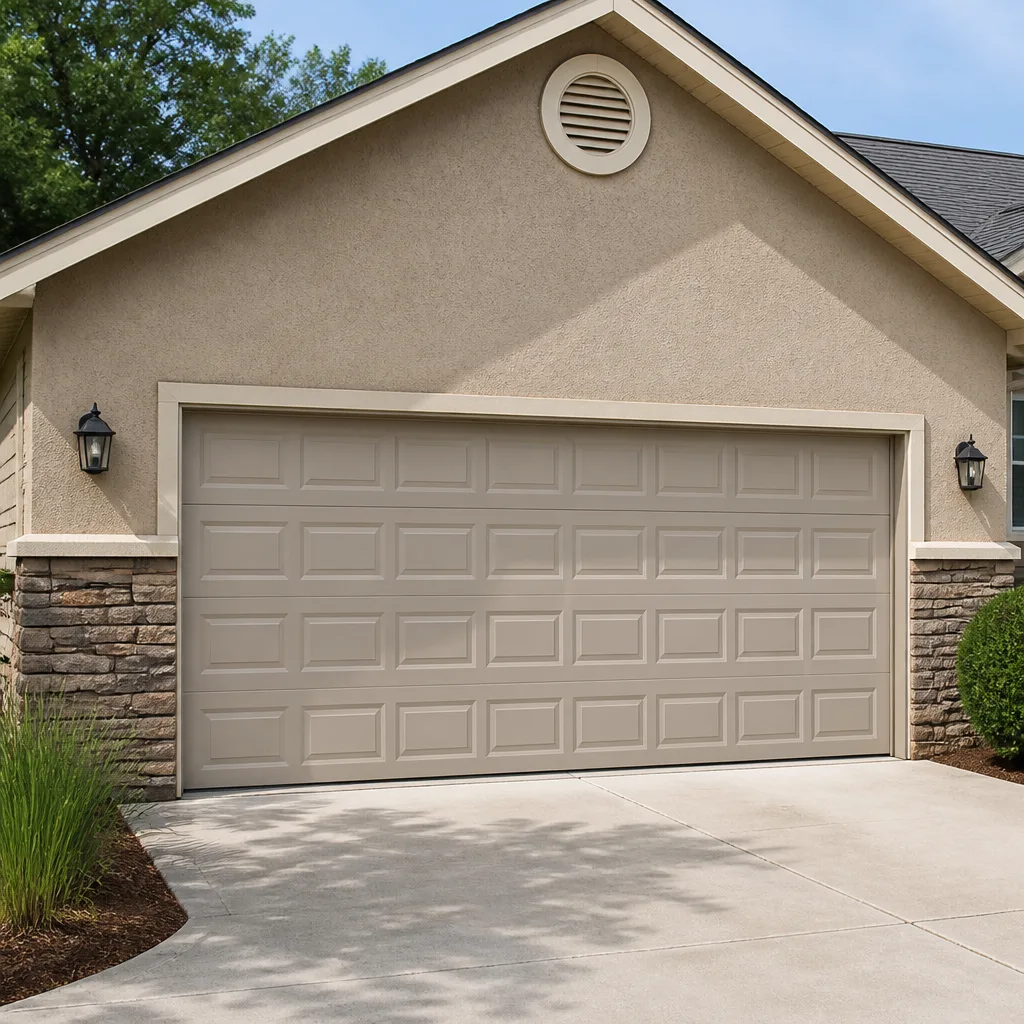 Raised-panel steel
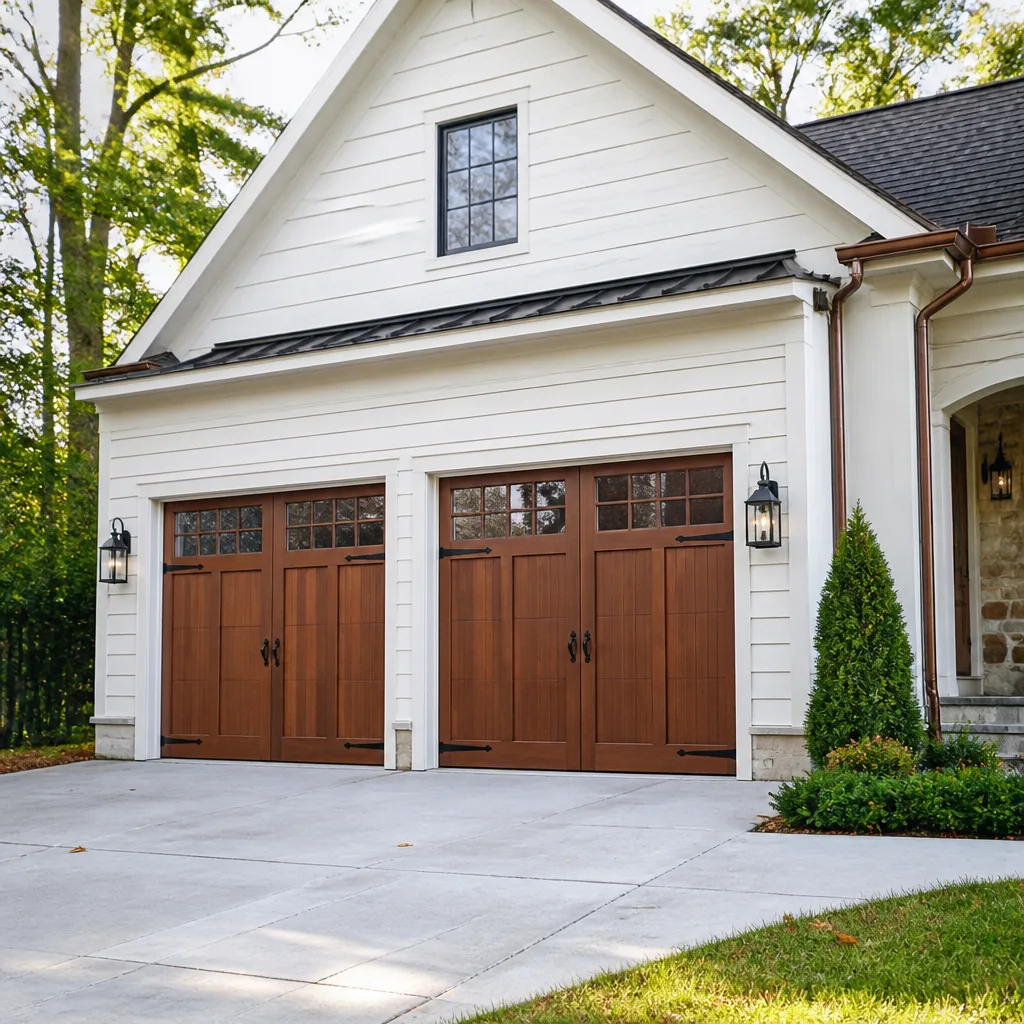 Carriage house
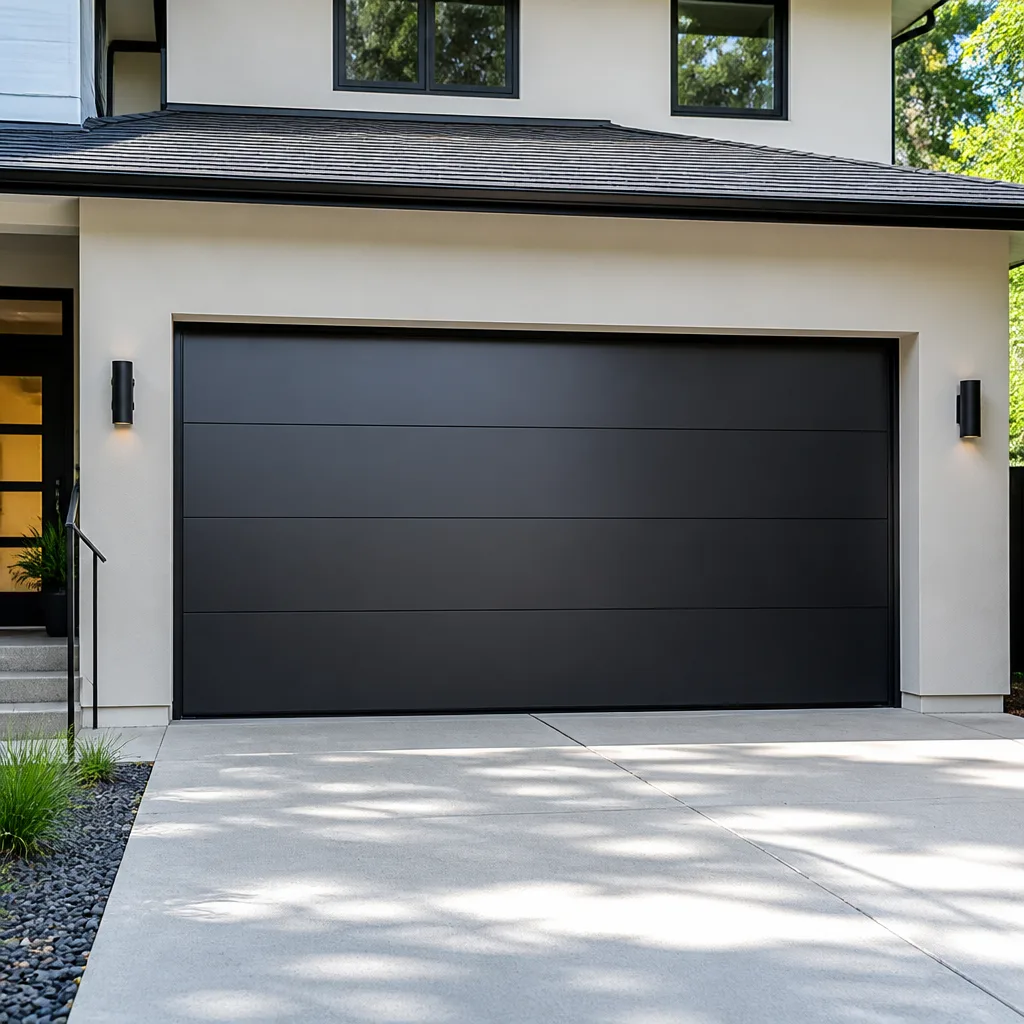 Modern flush
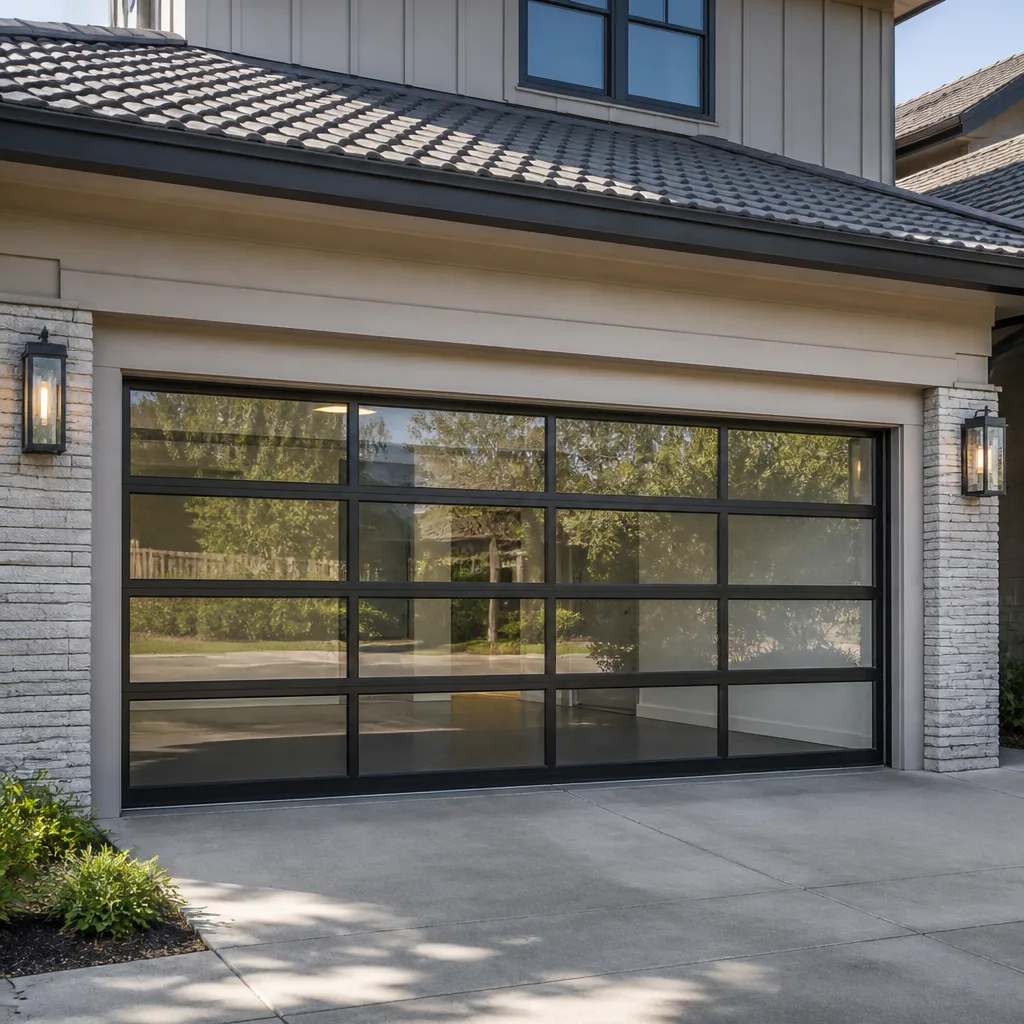 Full-view glass
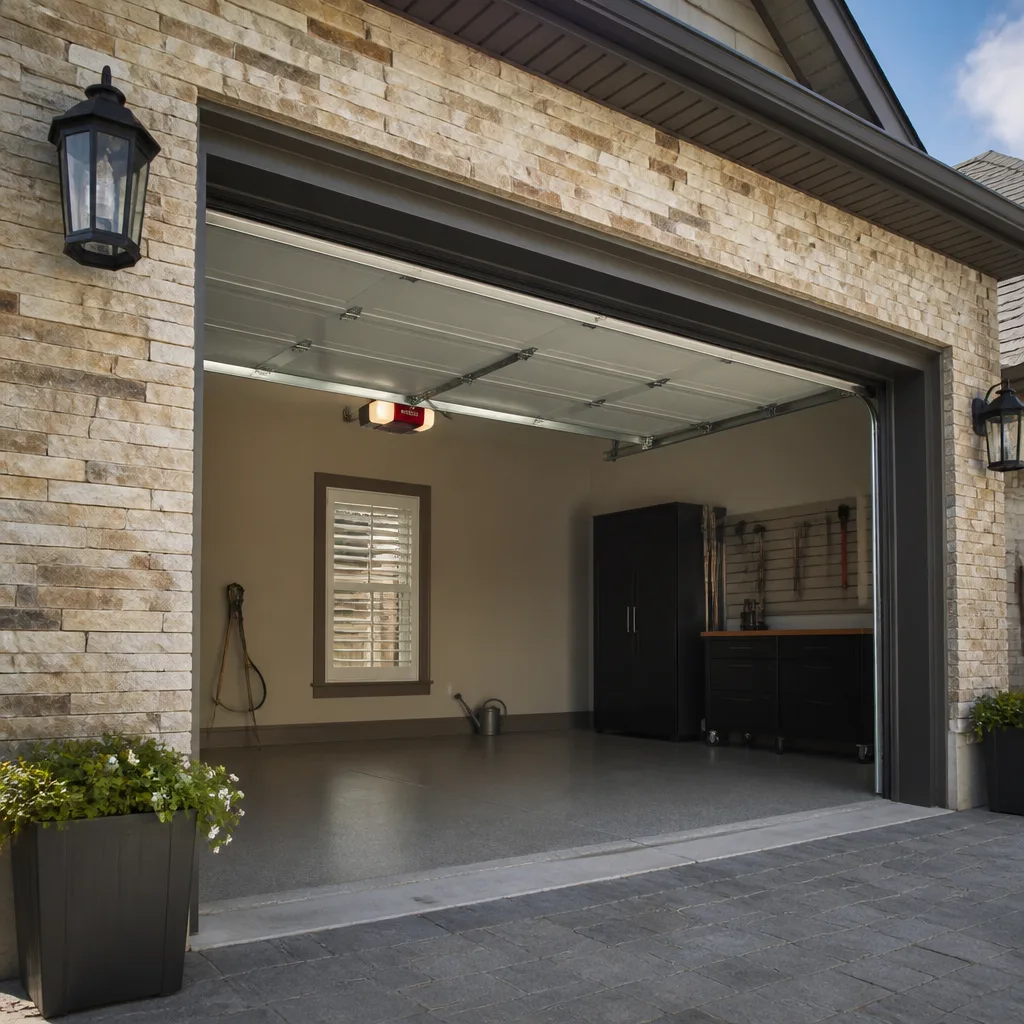 LiftMaster openers
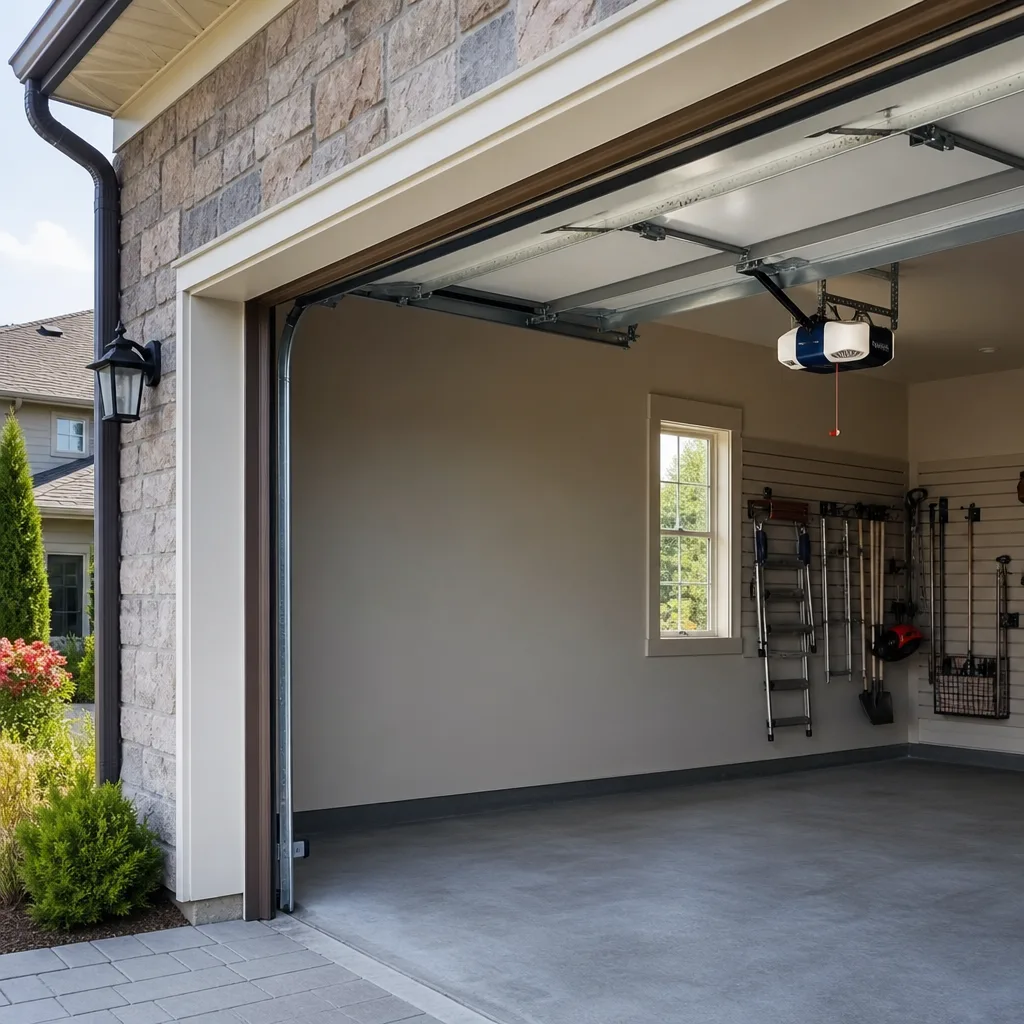 Chamberlain openers
Full 25-point door and opener safety check with every visit - springs, cables, rollers, tracks, and your LiftMaster or Chamberlain opener included
You get a price before we start. It does not change when the truck arrives.
Get your free estimateGarage Door Repair Maintenance Checklist for West Palm Beach Homeowners
WD-40 is the most common garage door “maintenance” product used by Florida homeowners, and it is one of the worst choices you can make. It strips the grease from roller bearings and leaves a residue that attracts the fine salt particles common in coastal air, which means that well-intentioned homeowner in West Palm Beach is actually accelerating the wear on a door that already fights humidity, salt, and hurricane season every single year. This guide gives you the exact tasks, intervals, and product specs that apply here, not a generic checklist written for a dry climate where rust is theoretical. For more guides & resources, see our blog. By the end, you’ll know what to do monthly, what to do before June 1st, and which three jobs you should never attempt yourself.
Styles & brands we work with
Quick Answer
A garage door maintenance checklist for West Palm Beach homeowners should include monthly lubrication of rollers, hinges, and the torsion spring with a lithium-based or silicone spray (never WD-40), a visual inspection of cables and bottom brackets for salt-air corrosion, and a balance test performed every three months. Pre-hurricane-season inspection between May 1 and June 1 should verify wind-load hardware, test the manual release cord, and check the bottom weather seal for UV brittleness. Spring adjustment, cable replacement, and limit-switch calibration are the three tasks that always require a trained technician, not a DIY attempt. See our How to Hire a Garage Door Contractor in West Palm Beach: A Step-by-Step Guide for help finding the right professional.
Table of Contents
- Why West Palm Beach Needs Its Own Checklist
- The Correct Lubricant and Where It Goes
- Monthly Checklist: 10 Minutes That Prevent Most Repairs
- Quarterly Balance Test: The Six-Inch Rule
- Pre-Hurricane-Season Inspection: May 1 – June 1
- Humidity and Salt-Air Corrosion Check Points
- What You Can Do Yourself vs. What Requires a Technician
- Common Mistakes to Avoid
- When to Call a Professional
- Frequently Asked Questions
- The Bottom Line
Why West Palm Beach Needs Its Own Checklist
Most garage door maintenance guides are written for places like Ohio or Indiana, where a garage door faces snow, road salt, and temperature swings. A door in West Palm Beach faces a different set of problems: sustained humidity above 70 percent for months at a time, salt-laden air that drifts in from the Atlantic, intense UV exposure that bakes rubber weather seals into brittle strips, and the annual threat of hurricane-force winds. The average garage door in coastal Florida cycles roughly 1,500 times per year, and each cycle puts stress on the torsion spring, the large coil mounted above the door that does most of the lifting. When that spring fails, it usually fails without warning, and the door becomes a dead weight that can trap a car inside or leave a home’s largest opening unsecured overnight. Learn to spot trouble early with our Garage Door Warning Signs: A West Palm Beach Homeowner’s Reference Guide.
We’ve worked on doors in Flamingo Park, El Cid, and the neighborhoods off Southern Boulevard where salt air is a constant presence, not a seasonal one. The pattern is consistent: homeowners who follow a generic checklist end up with rusted bottom bracket bolts and seized roller bearings. Homeowners who follow a West Palm Beach-specific routine get years of extra life out of the same door. The difference comes down to using the right products, checking the right spots, and timing the big inspection correctly.
The good news is that most of this work takes less than 15 minutes a month. The better news is that a disciplined homeowner catches small problems, like a fraying cable or a sluggish opener, before they become a $400 emergency repair call. This guide from Doyle Garage Doors West Palm Beach home covers the exact routine we recommend to our customers across the city.
The Correct Lubricant and Where It Goes
The single most impactful thing you can do for your garage door in West Palm Beach is lubricate it correctly, which means using the right product and applying it to the right parts. WD-40 is a solvent and water displacer, not a lubricant. It cleans grime off metal, which feels like progress, but it also dissolves the grease inside sealed roller bearings and leaves behind a thin film that attracts dust and salt particles. In coastal air, that film becomes an abrasive paste within weeks.
Use a lithium-based grease spray for metal-on-metal contact points and a silicone spray for nylon parts. The specific parts that get lubricated are:
- Rollers: Apply to the bearing area where the wheel meets the stem, not the roller face itself. Nylon rollers with sealed bearings need less frequent lubrication than steel rollers, but both benefit from a light silicone spray every three months.
- Hinges: The pivot points where hinge sections fold against each other. A quick spray on each hinge pin keeps the door from squeaking and reduces the strain transferred to the opener.
- Torsion spring shaft bearings: The shaft that runs through the torsion spring turns inside bearing plates at each end. These bearings dry out in coastal humidity and start to whine. A shot of lithium grease on each bearing once a quarter prevents the noise and the wear.
- Lock bar and latch mechanism: If your door has a manual slide lock, its mechanism corrodes quickly in salt air. Lubricate it monthly during the humid season.
There is one part that must stay completely dry: the tracks. The vertical and horizontal tracks that guide the rollers do not need lubrication, and spraying anything into them is a mistake. Lubricant in the tracks attracts dirt, creates a sticky film, and can cause the rollers to bind or skip. If the tracks look dirty, wipe them with a clean dry cloth. If the door is binding in the tracks, that is a misalignment issue, not a lubrication issue, and it needs to be corrected by someone who knows what they are doing rather than masked with spray.
Monthly Checklist: 10 Minutes That Prevent Most Repairs
The monthly routine is short, specific, and designed to catch the first signs of trouble before they become actual failures. Do this on the first Saturday of the month, or tie it to another recurring habit like paying the mortgage. Ten minutes is all it takes.
- Listen to the door during a full cycle. Open and close the door once while standing beside it. A healthy door makes a consistent, low hum from the opener and a soft roll from the wheels. Grinding, squealing, popping, or a rhythmic thumping noise tells you something is wrong. A squealing sound usually means dry bearings. A popping sound often comes from the torsion spring binding against itself, which is an early warning that it is failing.
- Watch the door move through the full travel. The door should move smoothly without jerking, stuttering, or shaking. Jerky movement on one side means a worn roller, a bent track, or loose hardware. Shaking in the middle of travel often means the springs are losing tension.
- Inspect the cables on both sides. The steel cables that run along each side of the door connect the bottom bracket to the drum above. Look for frayed strands, rust, or any kink in the cable. A frayed cable is a failure waiting to happen, and it is one of the three jobs you never DIY. Call a technician the day you spot it.
- Check the bottom weather seal. The rubber strip along the bottom edge of the door keeps rain, leaves, and small animals out of the garage. Run your hand along it and look for cracks, flattening, or brittleness. UV exposure in South Florida breaks down this rubber faster than almost anywhere else in the country.
- Verify the safety sensors are aligned. The two photo-eye sensors mounted near the floor on each side of the door should have solid, non-blinking indicator lights. If a light is blinking, the sensors are misaligned or blocked, and the door should refuse to close on an obstruction. Point the sensors at each other and wipe the lenses with a dry cloth.
- Confirm the auto-reverse function works. Place a rolled-up towel or a 2×4 flat on the floor under the door’s path and press the close button. The door should reverse within two seconds of contacting the object. This is the most important safety feature on your door, and it should be tested every month. If it does not reverse, stop using the opener and call for service.
The monthly checklist above is where most emergency repairs are prevented. A homeowner who does this consistently in West Palm Beach catches a rusted cable before it snaps, a dry bearing before it seizes, and a failing sensor before it causes an accident. These are the same steps our technicians walk through on every Garage Door Repair in West Palm Beach visit, and they are the difference between a $40 tube of lubricant and a $350 repair bill.
Quarterly Balance Test: The Six-Inch Rule
The balance test is the single most informative diagnostic a homeowner can perform, and it takes about 60 seconds. It tells you whether your springs still have enough tension to do their job, which matters because springs do most of the lifting while the opener simply guides the door. A door with weak springs forces the opener motor to work harder, which shortens the life of the opener and leads to premature failure of the gears and the trolley carriage, the component that connects the opener rail to the door itself.
Here is how to perform the test safely:
- Close the door completely.
- Pull the red emergency release cord hanging from the opener rail. This disconnects the trolley carriage from the opener so the door operates manually.
- Lift the door by its handle or bottom edge to waist height, roughly three feet off the ground.
- Release the door slowly and watch what happens.
A properly balanced door stays in place at waist height. It might drift an inch or two, but it does not fall or rise significantly. That tells you the springs are doing their share of the work. A door that drifts downward more than about six inches, or falls to the floor, means the springs are weak or failing. A door that rises on its own means the springs are over-tensioned, which is just as problematic in the long run because it slams the door upward at the top of the travel and slams it down when closing.
If the door drifts more than six inches, do not adjust the springs yourself. Torsion springs are under hundreds of pounds of tension, and an uncontrolled release of that energy causes serious injury. This is the moment to call a technician. Reconnect the opener by pulling the emergency cord again and running the opener once until it re-engages the trolley carriage.
We recommend performing this test every three months, and more often during periods of heavy use. A door that gets cycled ten times a day, common in busy households or home-based businesses, wears springs faster than one that cycles twice a day. As a reference point, a standard torsion spring is rated for about 10,000 cycles. At 1,500 cycles per year, that is roughly six to seven years of life, but coastal humidity and salt air can shorten that window.
Pre-Hurricane-Season Inspection: May 1 – June 1
West Palm Beach homeowners should treat the month between May 1 and June 1 as the annual window for hurricane-season garage door preparation. This timing puts you ahead of the June 1 start of hurricane season and ahead of the rush for service appointments that happens every year when the first named storm forms. The inspection does not require any special tools, and it takes under an hour.
What to Check Before June 1
- Wind-load hardware: Florida building code requires garage doors in hurricane-prone areas to be reinforced for wind loads, either with additional horizontal struts or a wind-rated door. Check that all struts are securely fastened and that no bolts are loose. If your door predates the wind-load requirements, consider a retrofit before the season peaks in August and September.
- Manual release cord: Pull the red emergency release cord and verify that you can open and close the door by hand without excessive effort. If the power goes out during a storm, this is how you get your car out or secure the door manually. A release cord that binds or a door that is too heavy to lift manually is a problem that needs attention before you need it.
- Bottom weather seal: Inspect the rubber strip along the bottom edge for cracks, flattening, or brittleness from UV exposure. A failed seal allows wind-driven rain to enter the garage, and in a strong storm, that water finds its way into drywall, stored belongings, and electrical outlets. Replacement seals are inexpensive and take about 20 minutes to install.
- All hinges and brackets: Tighten every bolt you can reach with a socket wrench. Vibration from daily use loosens hardware over time, and a loose bolt during a high-wind event is a failure point. Pay attention to the bottom brackets, which carry the cable tension, and the center hinges.
- Opener battery backup: If your opener has a battery backup, test it by unplugging the opener and running the door once. If it does not have a battery backup and you rely on the door during power outages, this is the time to consider one. A LiftMaster or Chamberlain opener with a battery backup keeps the door operational through the power outages that are a given during hurricane season.
These five checks, done every May, are the difference between a door that holds through a storm and one that becomes a problem during the worst possible moment. If any of the checks reveal an issue, schedule service before the season starts rather than waiting until a named storm is three days out and every technician in Palm Beach County is booked solid.
Humidity and Salt-Air Corrosion Check Points
Corrosion is the silent killer of garage door hardware in West Palm Beach, and the areas most affected are not always the ones homeowners expect. Salt air does not evenly attack a door. It concentrates in specific points where moisture sits, where dissimilar metals meet, and where moving parts trap humidity against metal surfaces. Knowing where to look makes the difference between catching corrosion early and discovering it after a component fails.
Check these three points every quarter:
- Bottom bracket bolts: The bottom brackets are steel plates that anchor the lifting cables to the bottom corners of the door. They sit inches above the ground, in the zone where humidity is highest and where salt-laden air settles after rain. Rusted bottom bracket bolts are a serious safety concern because these brackets are under full spring tension when the door is closed. A corroded bolt that snaps releases that tension suddenly.
- Torsion spring shaft bearings: The shaft that runs through the torsion spring spins inside bearing plates mounted to the header above the door. These bearings are grease-packed from the factory, but coastal humidity breaks down the grease faster than manufacturers anticipate. The first sign of trouble is a high-pitched whine when the door moves. Left unchecked, the bearing seizes and the opener motor burns out trying to overcome the resistance.
- Roller stems where they pass through the hinge plates: The roller stem is the metal shaft that connects the wheel to the hinge. Where the stem passes through the hinge plate, trapped humidity accelerates rust, and that rust causes the roller to bind rather than spin freely. A binding roller drags along the track, wears flat spots into the wheel, and eventually pops out of the track entirely.
If you find surface rust on any of these points, wire-brush the area and apply a light coat of lithium grease. If the rust is deep enough that the metal flakes or the bolt cannot be turned with a wrench, replace the component. Do not wait. In our experience, the time between “surface rust” and “component failure” in West Palm Beach is measured in months, not years.
What You Can Do Yourself vs. What Requires a Technician
Honesty about the line between homeowner maintenance and professional repair is the difference between a safe home and a trip to the emergency room. Most of the checklist items in this guide are safe for a homeowner to handle, and doing them consistently reduces the frequency of professional service calls. But there are three tasks that always require a trained technician, and the reason is simple: they involve stored energy that can kill you.
Safe for Homeowners
- Lubricating rollers, hinges, bearings, and the spring shaft
- Visually inspecting cables, brackets, and hardware for wear
- Testing the auto-reverse safety function and sensor alignment
- Performing the quarterly balance test
- Replacing the bottom weather seal
- Tightening accessible hinge and bracket bolts
- Cleaning the tracks with a dry cloth
- Testing the manual release cord
Always Call a Technician
- Spring adjustment or replacement: Torsion springs are wound under hundreds of pounds of tension. The winding bars used to adjust them can slip, and when that stored energy releases, it does so violently. This is not a job for a confident homeowner with a YouTube video.
- Cable replacement: The cables work in tandem with the springs, and removing a cable without properly releasing spring tension turns the cable drum into a projectile. The cable itself, when it snaps, whips with enough force to cause severe lacerations.
- Limit-switch calibration: The limit switch on the opener controls how far the door travels up and down. An incorrectly calibrated limit switch causes the door to slam into the ground, reverse unexpectedly, or stop short and leave a gap. Adjusting it requires understanding the opener’s internal settings and testing the auto-reverse after every change, and the consequences of getting it wrong include a door that crushes whatever is underneath it.
Our rule of thumb is this: if the task involves springs, cables, or the opener’s internal settings, call a professional. If it involves a wrench, a rag, and a can of lubricant, you can handle it. When in doubt, a Garage Door Installation in West Palm Beach professional can walk you through whether a problem is worth a service call over the phone.
Common Mistakes to Avoid
- Using WD-40 on any part of the door. WD-40 is a solvent, not a lubricant. It strips the grease from bearings and leaves a film that attracts salt and sand in coastal air. Use lithium-based or silicone spray instead.
- Lubricating the tracks. Tracks are designed to be dry. Adding any lubricant creates a sticky residue that binds the rollers and attracts dirt. If the door binds in the tracks, the problem is misalignment, not friction.
- Ignoring a noisy door. A garage door that squeals, pops, or grinds is telling you something specific. Squealing is dry bearings. Popping is a binding torsion spring. Grinding is metal-on-metal contact that will not heal itself. Every noise has a source, and every source has a fix.
- Skipping the auto-reverse test. The auto-reverse function is the safety net that prevents a closing door from crushing a child, a pet, or a bicycle. It takes 30 seconds to test, and skipping it month after month means you find out it failed only after it hurts someone.
- Waiting until a named storm is forecast to inspect the door. Every June through November, the same pattern plays out: a storm forms, and suddenly every technician in Palm Beach County is booked for two weeks. Do your pre-season inspection in May, when service is available and schedules are open.
- Attempting spring adjustment with improvised tools. Torsion springs require purpose-built winding bars, not screwdrivers or pry bars. The improvised tool slips, the spring unwinds violently, and the result is a trip to the hospital. No repair is worth that risk.
- Forgetting to reconnect the opener after a manual test. After pulling the emergency release cord and testing the door manually, run the opener once to re-engage the trolley carriage. A door that is disconnected from the opener will not open when you press the remote, which feels like a breakdown and often leads to an unnecessary service call.
When to Call a Professional
Some garage door problems are not maintenance issues, and trying to solve them with a checklist wastes time and risks injury. Call a professional the day you notice any of the following: frayed or rusted cables, a door that drifts more than six inches during the balance test, a broken or visibly stretched torsion spring, a door that reverses on its own mid-travel, an opener that runs but does not move the door, or any impact damage from a vehicle or storm. These are not tune-up items. They are structural failures that will only get worse and more expensive. Doyle Garage Doors West Palm Beach offers free estimates across the city, and Aaron Teague and our team can tell you over the phone whether the issue is urgent. Call (728) 220-0705 and a real person will answer, day or night. If you need Garage Door Opener Repair in West Palm Beach, we service LiftMaster, Chamberlain, Genie, and Raynor openers, and we give you a written price before any work begins.
Frequently Asked Questions
Lubricate your garage door rollers, hinges, and torsion spring shaft bearings every three months in West Palm Beach, and monthly during the humid summer season when salt air is most corrosive. If the door squeals or whines at any point, lubricate it immediately. A dry bearing that runs for a few weeks grinds itself into a replacement situation.
No. WD-40 is a solvent that strips grease from bearings and leaves a sticky residue that attracts salt and sand in coastal air. Use a lithium-based grease spray on metal contact points and a silicone spray on nylon parts. In West Palm Beach, the salt-air factor makes WD-40 actively harmful rather than merely ineffective.
The balance test checks whether your torsion springs are still doing their job. Pull the red emergency release cord, lift the door to waist height, and release it. A balanced door holds position. A door that drifts down more than six inches has weak springs, which forces the opener motor to work harder and shortens the life of the opener. Test this quarterly.
Schedule your pre-hurricane-season inspection between May 1 and June 1, before the official start of hurricane season. This window puts you ahead of the service rush that happens every year when the first named storm forms. Check wind-load hardware, test the manual release cord, and inspect the bottom weather seal for UV brittleness.
Never attempt torsion spring adjustment, cable replacement, or limit-switch calibration yourself. Torsion springs are wound under hundreds of pounds of tension and can cause serious injury if released improperly. Cables are under similar tension, and limit-switch calibration affects whether the door crushes whatever is beneath it. These three jobs always require a trained technician.
Garage Door Repair services in West Palm Beach typically range from $150 to $350 for common issues like roller replacement, sensor realignment, or minor hardware fixes. Broken torsion spring replacement usually runs $250 to $450 depending on the spring type and door weight. New opener installation, including a LiftMaster or Chamberlain unit with battery backup, ranges from $450 to $750. Call (728) 220-0705 for an exact quote, and the price you get is the price you pay, in writing, before any work starts.
The Bottom Line
A garage door maintenance checklist that works in West Palm Beach is specific, seasonal, and honest about the line between what you can handle and what requires a trained technician. Lubricate with lithium or silicone, never WD-40. Check for salt-air corrosion on bottom bracket bolts, spring shaft bearings, and roller stems every quarter. Run the balance test four times a year, and treat any drift beyond six inches as a service call. Inspect wind-load hardware and weather seals every May before hurricane season arrives. And if you ever face a spring, cable, or opener issue that falls outside the safe DIY list, call (728) 220-0705. A live person answers, and the price is in writing before the work begins.
Written by Aaron Teague, Owner at Doyle Garage Doors West Palm Beach, serving West Palm Beach since 2001.
See the difference
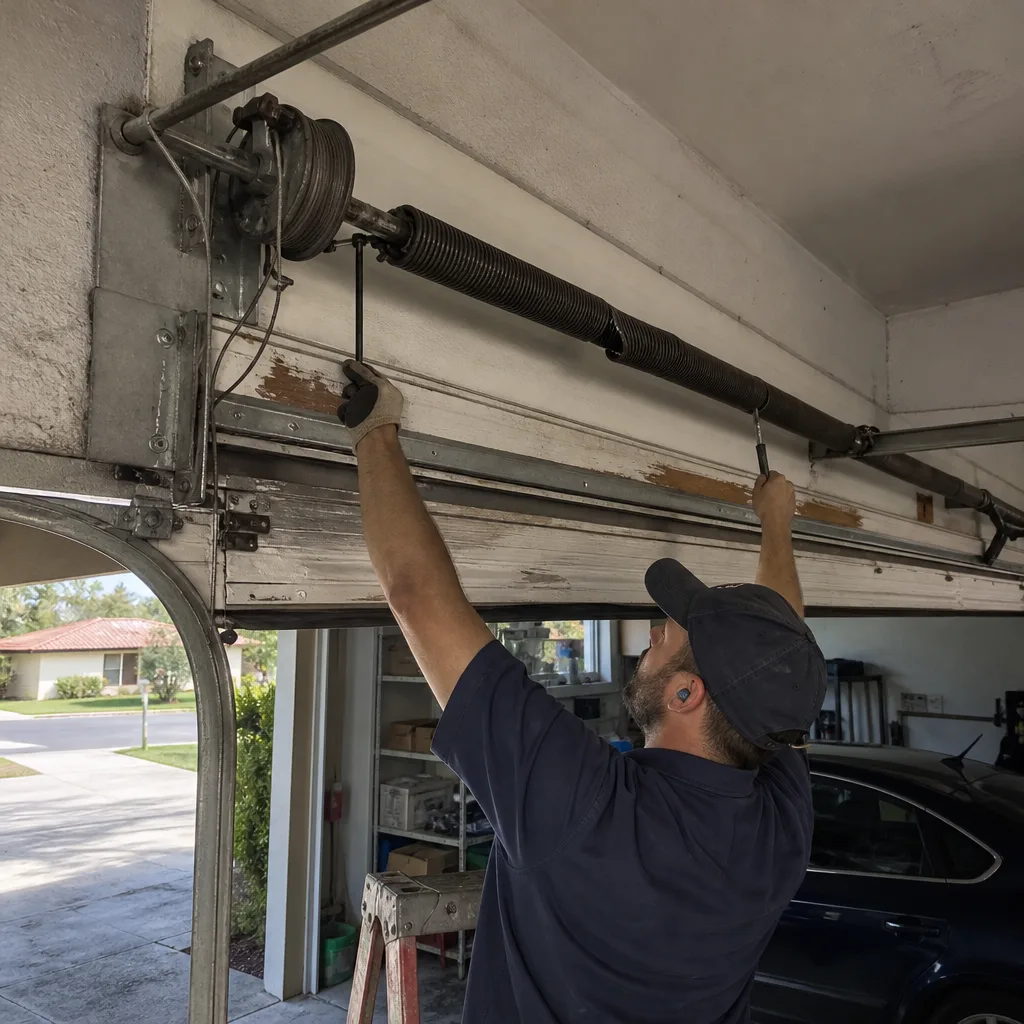 Before
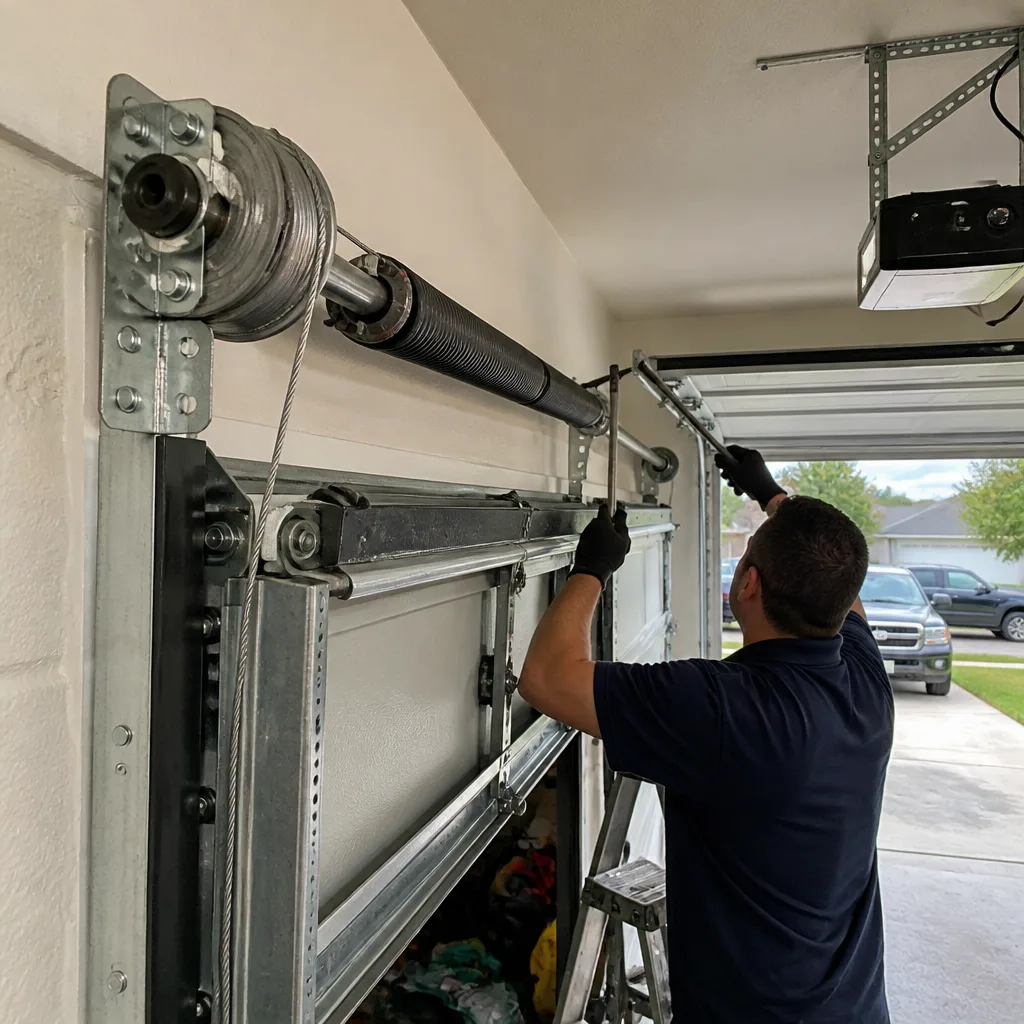 After
After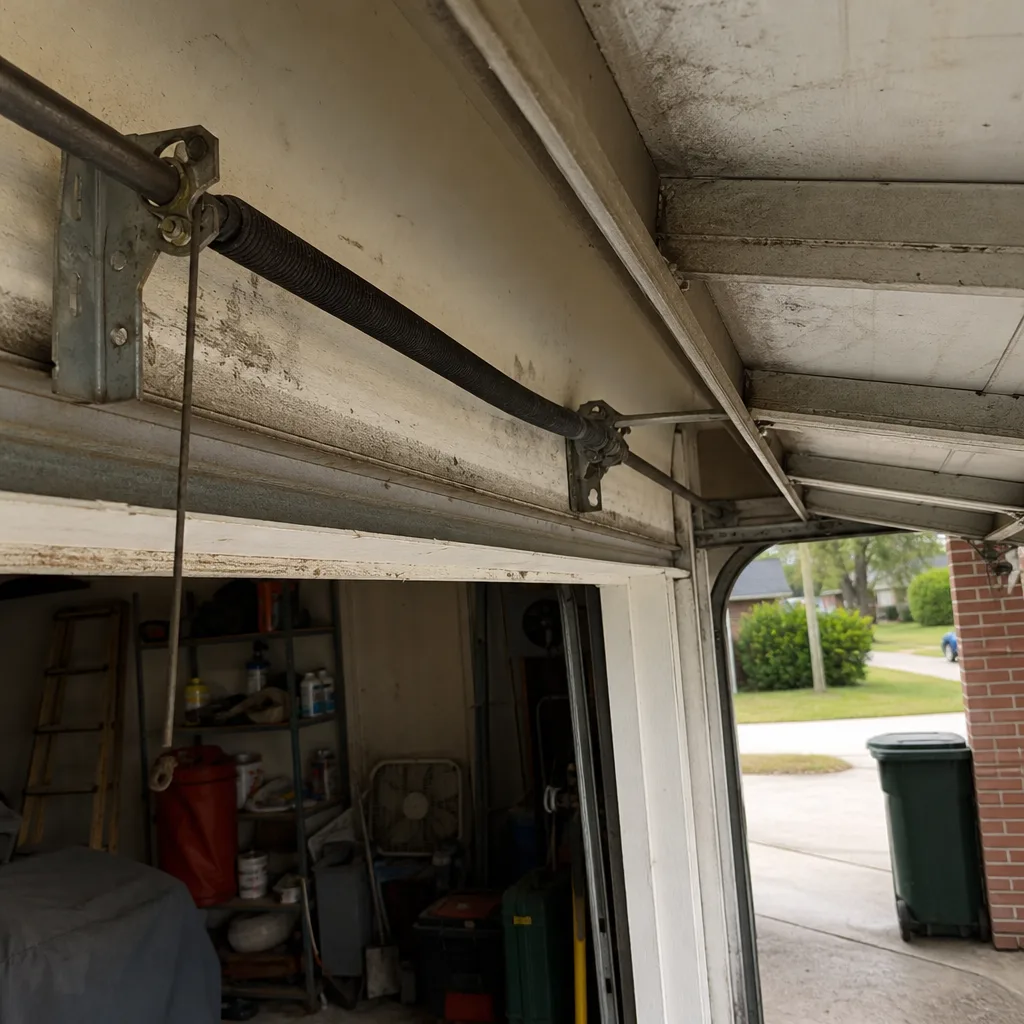 Before
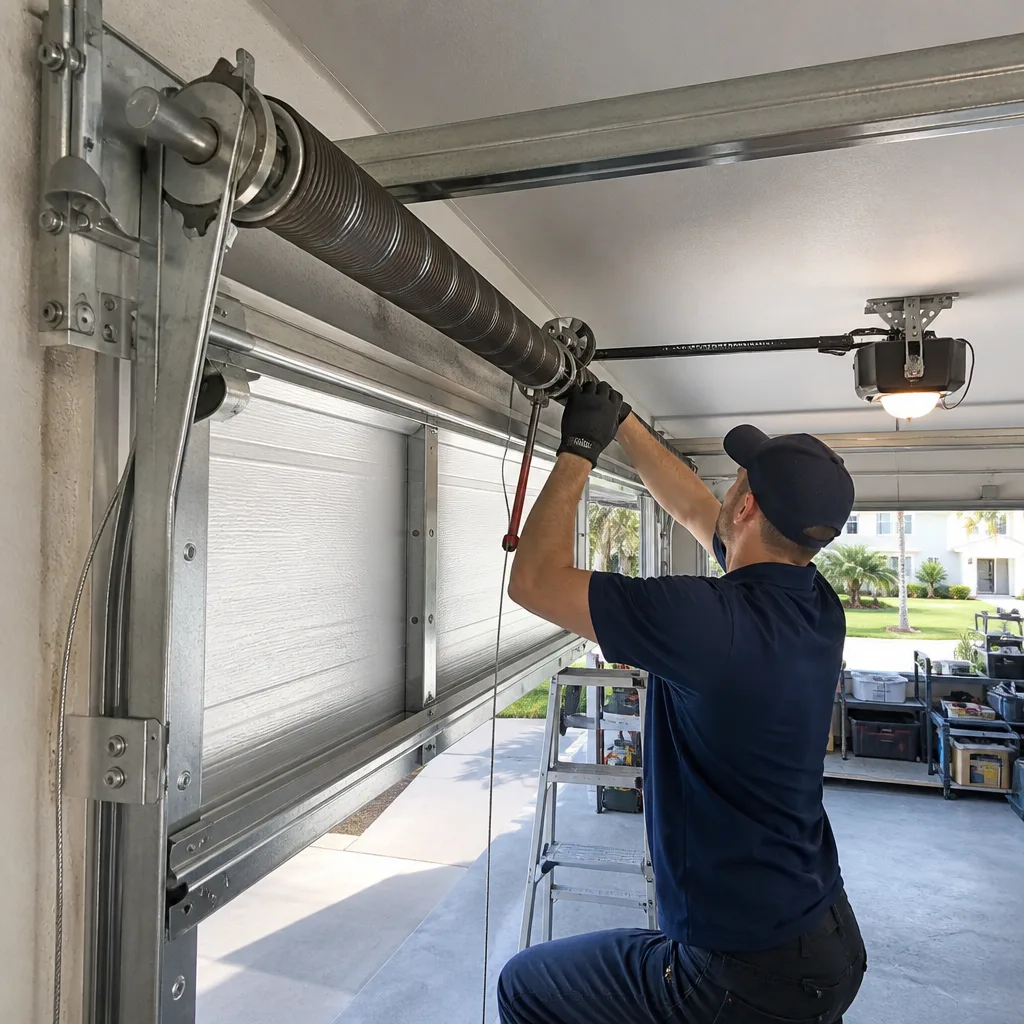 After
After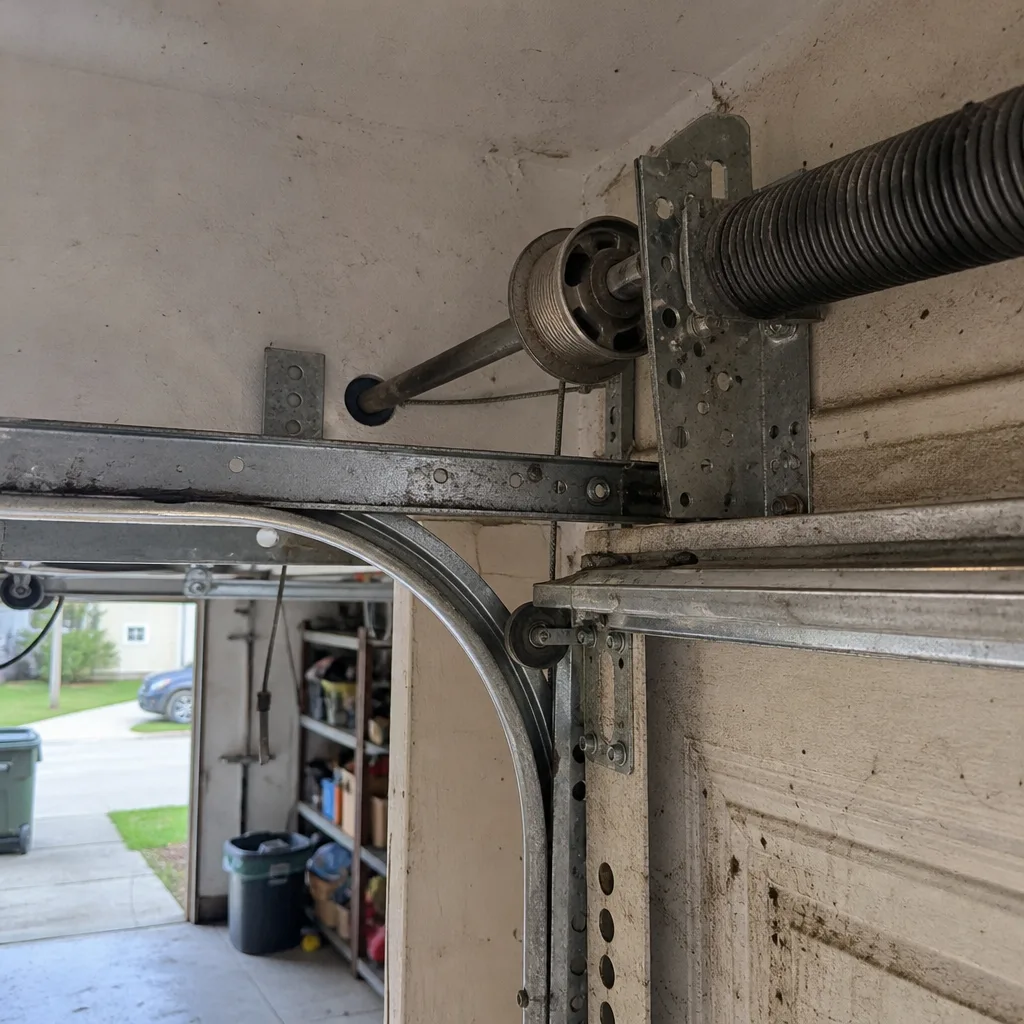 Before
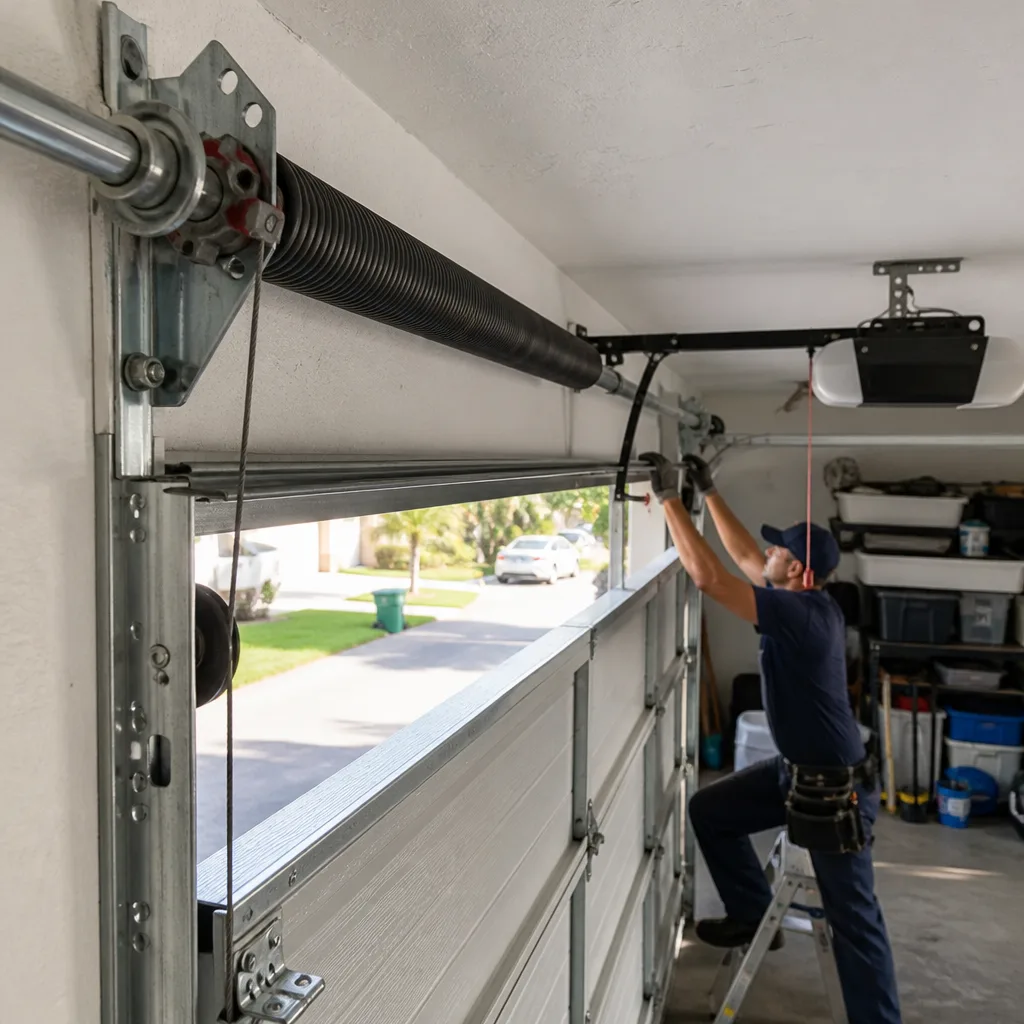 After
After