
Last updated October 16, 2026
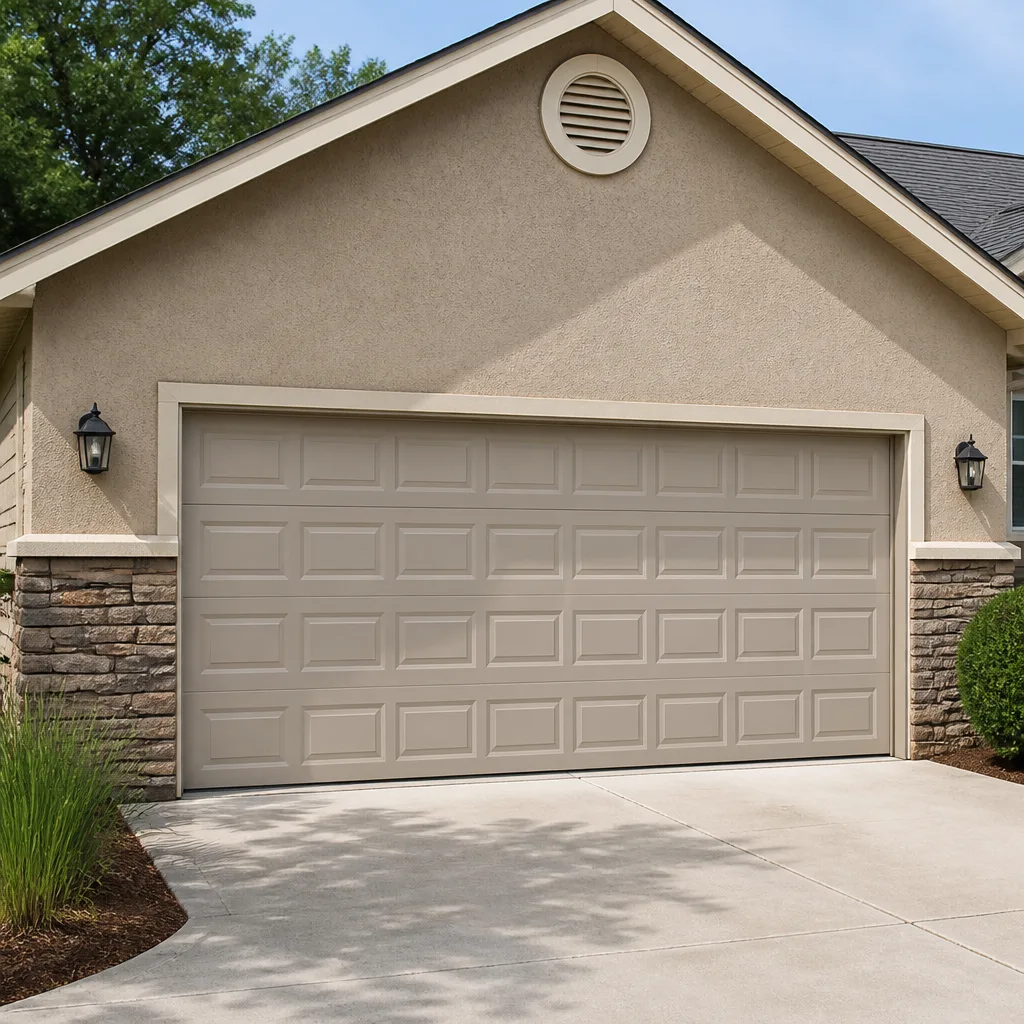 Raised-panel steel
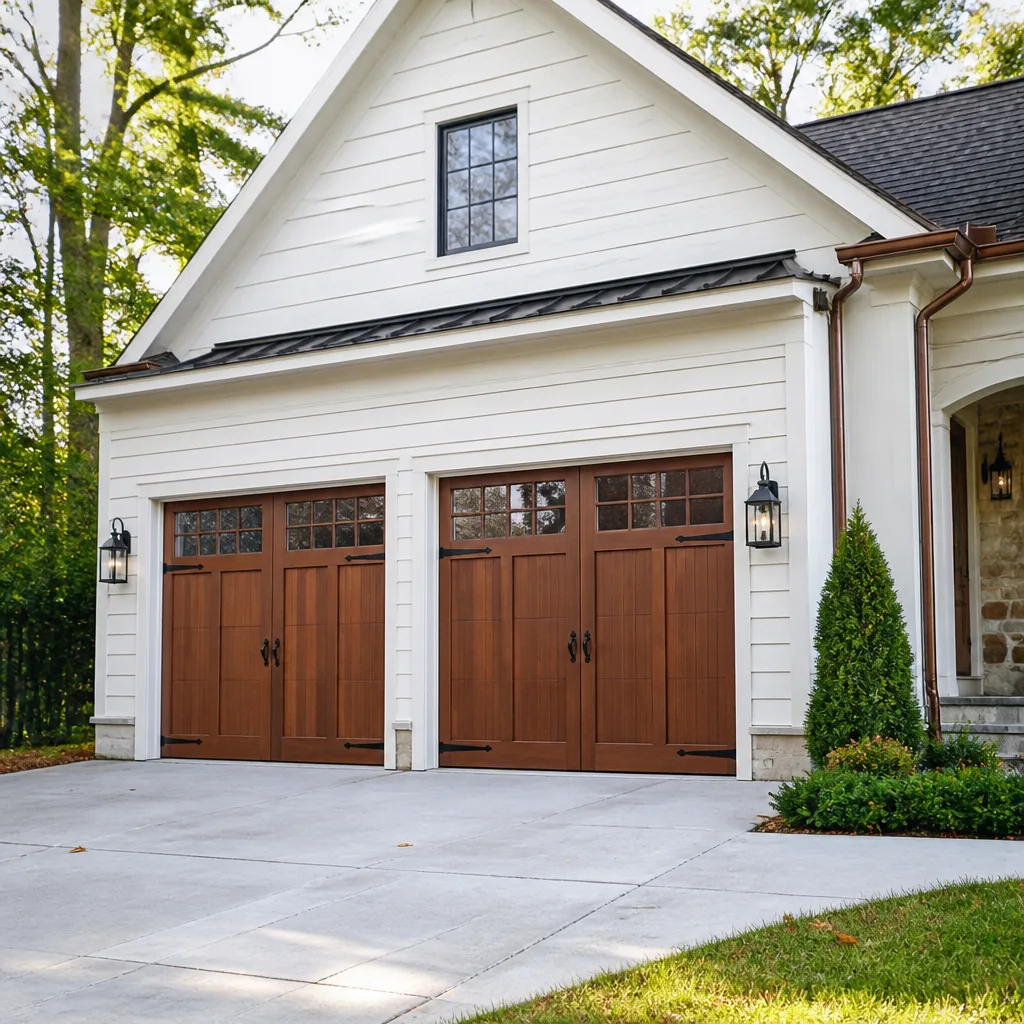 Carriage house
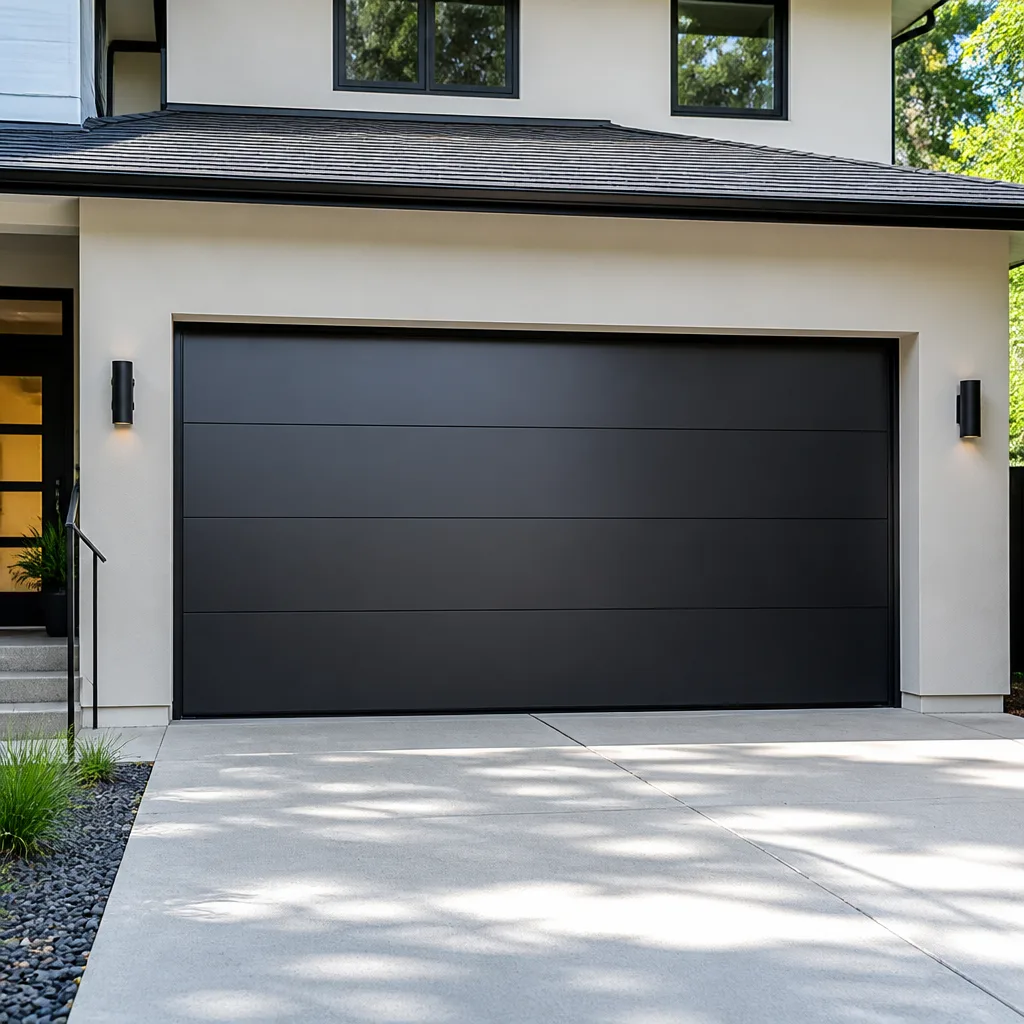 Modern flush
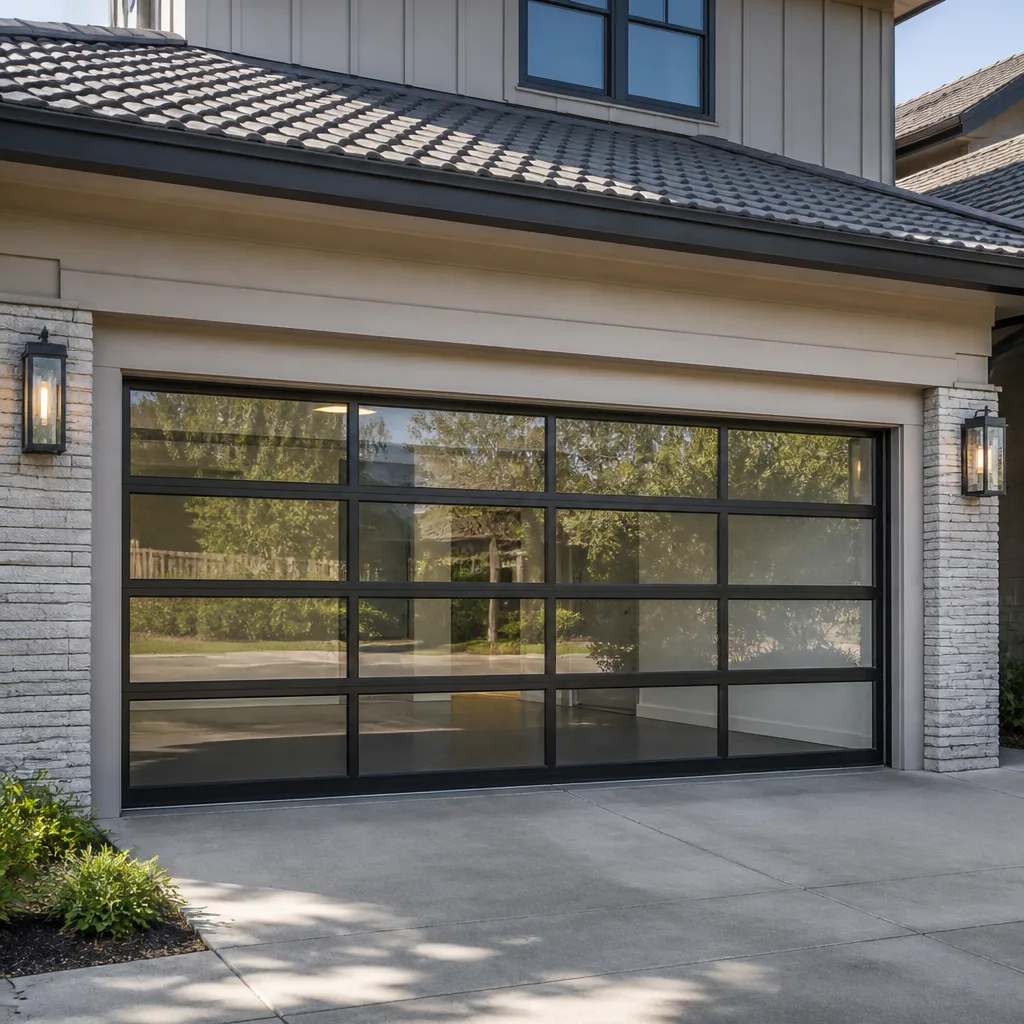 Full-view glass
 LiftMaster openers
 Chamberlain openers
Full 25-point door and opener safety check with every visit - springs, cables, rollers, tracks, and your LiftMaster or Chamberlain opener included
You get a price before we start. It does not change when the truck arrives.
Get your free estimateGarage Door Permits, Codes & Inspections in FL: What You Need to Know
Florida insurance adjusters have denied wind-damage claims on garage doors replaced without a permit because an unpermitted door has no verified wind-load rating on record. The homeowner, not the policy, ends up paying for a door that should have been covered. If you live in West Palm Beach or anywhere in Palm Beach County, the permit question isn’t red tape. It’s the difference between a door that protects your home in a hurricane and a door that quietly voids your coverage, stalls your closing, or both. This guide explains exactly when you need a permit, what codes apply, how inspections work, and what happens if you skip the process. For more guides & resources, visit our blog.
Styles & brands we work with
Quick Answer
In Florida, a full garage door replacement requires a permit in virtually every municipality, including West Palm Beach and all of Palm Beach County. Like-for-like repairs typically don’t need one unless they exceed $500 in value or involve structural changes. The contractor, not the homeowner, is legally required to pull the permit, and the door must have a Notice of Acceptance (NOA) number on file with the county if you’re in the High Velocity Hurricane Zone (HVHZ).
Table of Contents
- When a Permit Is Required in Florida and Palm Beach County
- What an NOA Number Is and Why It Matters in the HVHZ
- The Inspection Sequence for a Permitted Garage Door in West Palm Beach
- What Happens When a Garage Door Is Replaced Without a Permit
- Homeowner vs. Contractor: Who Pulls the Permit in Florida
- What Permits and Inspections Cost in West Palm Beach
- Florida Wind Load Codes for Garage Doors: What the Inspector Checks
- Common Mistakes to Avoid
- When to Call a Professional
- Frequently Asked Questions
- The Bottom Line
When a Permit Is Required in Florida and Palm Beach County
The rule in Florida is straightforward: if you are replacing an entire garage door, you need a permit. Not sometimes, not “if the contractor says so.” Always. The Florida Building Code treats a garage door as part of the building envelope, which means it falls under the same permitting requirements as exterior walls and roofing. In West Palm Beach, the Building Division enforces this consistently. A new door changes the structural opening, the anchoring system, and the wind-load performance of the home, and the county wants that on record.
Repairs are a different story. A like-for-like repair, where a technician replaces a broken torsion spring (the large coil mounted above the door that does most of the lifting), a damaged panel, or a failed opener, usually doesn’t require a permit. The threshold is dollar-based, and in most Palm Beach County jurisdictions, once the repair value crosses $500, a permit is technically required. In practice, homeowners should know this line exists because it’s the one that quietly trips people up. You replace a spring for $350, no permit. Six months later you replace two springs, a set of rollers, and a bent track for $650, and legally you’ve crossed into permit territory. A reputable contractor will tell you when that line gets crossed.
There are also specific triggers that require a permit regardless of cost. If the repair involves structural changes to the opening, such as reframing, widening, or changing the header, you need a permit. If you’re converting from a single-car door to a double-car door, that’s a permit job. If you’re replacing a non-impact-rated door with an impact-rated door, a permit is required because the change affects the home’s wind-load certification. We’ve handled enough garage door repairs in West Palm Beach to know that the permit question comes up most often when a homeowner is surprised by it, so we always flag it before work starts.
What an NOA Number Is and Why It Matters in the HVHZ
An NOA, or Notice of Acceptance, is a product approval number issued by Miami-Dade County that certifies a specific garage door model meets Florida’s High Velocity Hurricane Zone (HVHZ) wind-load requirements. The HVHZ covers Miami-Dade and Broward counties entirely, but Palm Beach County, including West Palm Beach, enforces many of the same wind-load standards, and NOA numbers are the standard way to verify compliance across the region.
Every garage door installed in an HVHZ-adjacent jurisdiction must have an NOA number on file that matches the exact make, model, and size of the door being installed. The NOA specifies the maximum design pressure the door can withstand, expressed in pounds per square foot (PSF). A door rated for ±40 PSF can handle winds approaching 130 mph under the right conditions. A door rated for ±70 PSF is built for the most exposed coastal locations. The inspector will check that the door being installed matches the NOA documentation submitted with the permit application.
Homeowners can verify a door’s NOA themselves. The Miami-Dade Product Control website has a searchable database where you enter the manufacturer’s name, the NOA number, or the product type and pull up the full approval document. It shows the design pressures, the anchoring requirements, and any installation limitations. When a contractor installs a door without an NOA on file, the installation has no verifiable wind-load rating, which is exactly the gap that insurance adjusters exploit when a claim is filed. Brands like Amarr, Wayne Dalton, and Raynor all maintain NOA listings for their impact-rated lines, and any contractor doing permitted work in Palm Beach County should be able to produce the NOA for the specific door they’re quoting. We’ve replaced doors across West Palm Beach with full permits and NOA documentation on every job, because it’s the only way to hand the homeowner a door that actually protects the house, not just one that looks like it does.
The Inspection Sequence for a Permitted Garage Door in West Palm Beach
A permitted garage door installation in West Palm Beach follows a two-stage inspection process. Understanding the sequence matters because it affects your timeline and because each inspection checks something different. Here’s what happens, step by step:
- Permit application and plan review. The contractor submits the permit application with the door specifications, NOA documentation, and anchoring details. The city or county reviews the submittal to confirm the door meets wind-load requirements for the specific location. Review typically takes 1 to 3 business days for a standard residential door.
- Rough-in inspection. The inspector comes out after the old door is removed but before the new door is hung. They check the opening dimensions, the condition of the jambs, the header, and the anchoring points where the door will attach. This is the inspection that catches structural problems: rotted wood, cracked concrete, or an undersized header. If the rough-in fails, the opening gets fixed before the door goes up.
- Door installation. The contractor hangs the door, mounts the track, installs the torsion spring, sets the opener, and adjusts the limit switches (the settings that tell the door where to stop at the top and bottom of its travel).
- Final inspection. The inspector returns to verify the installed door matches the approved submittal. They check the NOA sticker or label on the door, confirm the anchoring is correct, test the door’s balance and safety reverse, and verify the wind-load rating is documented. If everything passes, the permit is closed and the inspection record goes on file with the county.
The inspection record is the part that matters most to homeowners three, five, or ten years later. When a door is inspected and the permit is closed, the county has a record that the door was installed to code. That record is what an insurance adjuster looks for after a hurricane and what a title company pulls when you sell. No record, no proof. In our experience, homeowners who’ve gone through a permitted installation in West Palm Beach rarely think about the inspection again until a storm comes or a buyer asks.
What Happens When a Garage Door Is Replaced Without a Permit
Most people think the worst-case scenario for an unpermitted garage door is a fine. It’s not. The fine is the cheapest part. Here’s what actually happens when a door gets replaced without a permit in Florida:
- Insurance claims get denied. After a hurricane or wind event, the adjuster checks whether the garage door was permitted. If there’s no permit and no inspection record, there’s no verified wind-load rating, and the insurer can deny the claim on the grounds that the unpermitted modification contributed to the damage. This has happened in Palm Beach County after multiple storm seasons, and the homeowner has almost no recourse.
- Title defects surface at closing. When you sell the house, the buyer’s title company runs a permit search against the property record. An unpermitted garage door shows up as a discrepancy between the county’s records and the physical condition of the home. The seller then faces a choice: pull a retroactive permit, pay for a re-inspection, and potentially re-install the door if it doesn’t meet code, or offer a credit to the buyer. We’ve seen retroactive permitting and re-inspection on an unpermitted door cost homeowners $800 to $1,500, and that’s if the door passes. If it doesn’t meet current wind-load code, the replacement cost can push past $2,500.
- HVHZ wind-load compliance vanishes. Without an NOA on file and an inspection record, the door has no documented wind-load rating. That’s not a bureaucratic technicality; it’s a real structural gap in your home’s hurricane protection envelope. A garage door is the single largest opening in most Florida homes, and when it fails in high winds, the pressure change inside the house can lift the roof.
West Palm Beach sits in a wind-borne debris region, which means the garage door on your home is doing more than opening and closing. It’s a structural component of your hurricane protection system. Unpermitted doors are unverified doors, and unverified doors are the ones that fail in the worst possible moments.
Homeowner vs. Contractor: Who Pulls the Permit in Florida
In Florida, pulling the permit is the contractor’s legal obligation. Not a courtesy, not an add-on service. The licensed contractor performing the work is required by Florida Statute 489 to obtain the permit in their name, using their license number. The homeowner should never be asked to pull the permit.
If a contractor asks you to pull your own permit as a homeowner, that’s a red flag. In this scenario, the work is being filed as an owner-builder project, which shifts legal liability for the installation from the contractor to you. If the door fails, if the inspection fails, if someone gets hurt during installation, the homeowner is the one legally responsible. Contractors ask homeowners to pull permits when they don’t carry the proper license for the work, when their license has lapsed, or when they want to keep their name off the county’s permit record. None of those reasons benefit the homeowner.
The other quiet issue is unlicensed subcontracting. A licensed general contractor or a licensed garage door contractor should pull the permit themselves. If they subcontract to an unlicensed crew and ask you to handle the permit, the chain of accountability breaks. We’ve been doing garage door opener repairs and permitted installations in West Palm Beach since 2001, and we’ve never asked a homeowner to pull their own permit. The permit goes in our name, the inspection is scheduled by us, and the record closes with our license attached. That’s how it’s supposed to work.
What Permits and Inspections Cost in West Palm Beach
Permit fees for a garage door replacement in West Palm Beach and unincorporated Palm Beach County are based on the valuation of the work. Here’s what homeowners should expect to pay for the permit itself, separate from the door and labor:
- Standard residential garage door replacement permit: $85 to $150 in most West Palm Beach jurisdictions. The fee covers plan review, the rough-in inspection, and the final inspection.
- Permit with structural modifications (reframing, header changes, opening changes): $150 to $300, depending on the scope of the structural work.
- Retroactive permit for a previously unpermitted door: Double the standard fee in some jurisdictions, plus the cost of any required re-inspection or correction. Budget $200 to $400 for the permit alone.
- Expedited review (if available): Some municipalities offer faster turnaround for an additional $50 to $100. Not always available for residential doors.
The permit fee is a small line item relative to the total cost of a new garage door, which typically runs $1,200 to $3,500 installed in West Palm Beach depending on the size, material, and wind-load rating. But it’s the line item that buys the inspection record and the insurance-claim protection. We always quote the permit separately so homeowners know exactly what they’re paying for, which is the same reason we put every repair price in writing before any work starts. No surprises, either on the invoice or in the permit file.
Florida Wind Load Codes for Garage Doors: What the Inspector Checks
Florida’s wind-load requirements for garage doors come from the Florida Building Code, which splits the state into wind zones based on exposure risk. West Palm Beach falls into the High Velocity Hurricane Zone adjacent region, which means garage doors here must meet design pressure requirements tied to the home’s specific location, including proximity to the coast, exposure category, and roof pitch.
The inspector is checking for specific things during both the rough-in and final inspection. During the rough-in, they’re looking at the anchoring. A Florida wind-rated door doesn’t just hang on lag bolts; it’s anchored into the structural framing with a specific bolt pattern and minimum embedment depth. The inspector verifies that the jamb material, the header height, and the anchoring points are adequate for the door’s design pressure. If the rough-in fails, it’s usually because the existing framing can’t support the wind load and needs reinforcement.
During the final inspection, the inspector checks three things. First, the NOA label: the door must have a physical label or sticker showing the NOA number, the manufacturer, and the design pressure rating. Second, the anchoring: the installer must have used the fastener size and spacing specified in the NOA documentation. Third, the balance and safety systems: the door must be properly balanced, the safety reverse must trigger when it meets resistance, and the photo eyes must be aligned and functional. In our experience, final inspections in West Palm Beach are most often failed on the anchoring details, because it’s the place where shortcuts show up. A door that works fine on day one can still fail a wind-load inspection if the bolts weren’t placed where the NOA called for them.
Common Mistakes to Avoid
- Assuming a handyman can pull the permit. A handyman without a contractor’s license cannot legally pull a permit in Florida. If your installer can’t put the permit in their name, the work isn’t permitted, and you’re on the hook for the consequences.
- Skipping the permit to save $100. The permit fee is the cheapest part of the job. The insurance claim denial or the title defect can cost ten times that amount. In West Palm Beach, where hurricane exposure is a constant, this math never works out.
- Not verifying the NOA number. A contractor quotes you a “wind-rated” door, but that phrase means nothing without a specific NOA number you can verify on the Miami-Dade Product Control website. Always ask for the number and look it up.
- Letting the contractor install a different door than the one permitted. The permit is tied to a specific make, model, and size. If the contractor shows up with a different door, the inspection will fail, and the permit record will be inaccurate.
- Paying in full before the final inspection passes. The final inspection is your proof that the door was installed to code. If you’ve paid in full and the contractor walks before the inspection closes, you’re stuck chasing them. Hold the final payment until the permit is closed.
- Replacing panels on an old door and assuming no permit applies. Panel replacement that exceeds $500 or changes the door’s wind-load characteristics can trigger the permit requirement. Ask the contractor before the work starts, not after.
- Pulling your own permit as an owner-builder. If a contractor suggests this, end the conversation. It transfers liability to you and usually means the contractor has a licensing problem.
When to Call a Professional
Any full garage door replacement in West Palm Beach should be handled by a licensed contractor who pulls the permit, documents the NOA, and carries the job through both inspections. Follow our Garage Door Repair Maintenance Checklist for West Palm Beach Homeowners to stay on top of routine care. If you’re replacing a door on a home near the coast, on an older home with an unverified wind-load history, or on a home you plan to sell within five years, the permitted route is the only route that protects you. If you’re unsure whether your existing door was permitted, a contractor can pull the property’s permit history and tell you where things stand. Doyle Garage Doors West Palm Beach offers free estimates in West Palm Beach, and we’ll tell you during the quote whether a permit applies to your job. Call (728) 220-0705 and you’ll get a real person on the phone, day or night.
Frequently Asked Questions
Yes. A full garage door replacement in West Palm Beach requires a permit in every jurisdiction in Palm Beach County. The contractor, not the homeowner, is legally required to pull it. If your contractor says otherwise, call (728) 220-0705 for a second opinion before any work starts.
A standard residential garage door replacement permit in West Palm Beach costs $85 to $150. If the job involves structural changes like reframing or widening the opening, the fee runs $150 to $300. Retroactive permits for previously unpermitted doors cost double the standard fee in some jurisdictions.
An NOA, or Notice of Acceptance, is a Miami-Dade County product approval that certifies a specific garage door model meets High Velocity Hurricane Zone wind-load standards. Every permitted door in Palm Beach County should have an NOA on file that matches the exact make, model, and size of the installed door, and you can verify it on the Miami-Dade Product Control website.
Yes, this has happened in Florida. After a hurricane or wind event, an adjuster checks for a permit and inspection record. If there’s no record, the door has no verified wind-load rating, and the insurer can deny the claim on the grounds that the unpermitted modification contributed to the damage. The homeowner bears the replacement cost.
Legally, you can file as an owner-builder, but doing so transfers liability for the installation from the contractor to you. If a contractor asks you to pull your own permit, it usually means they don’t carry the proper license. A licensed contractor should pull the permit in their own name, every time.
The rough-in inspector checks the structural opening, jamb condition, and anchoring points before the door is hung. The final inspector verifies the NOA label on the door, confirms the anchoring matches the approved submittal, and tests the door’s balance, safety reverse, and photo eye alignment. Both inspections must pass before the permit closes. Call (728) 220-0705 for an exact quote on a permitted installation, and we’ll walk you through the full sequence before you commit to anything.
The Bottom Line
A garage door permit in Florida is not optional paperwork. It’s the record that proves your door meets wind-load code, and without that record, your insurance claim can be denied after a hurricane and your home sale can stall at the title search. The permit is the contractor’s responsibility, the NOA number is your verifiable proof of compliance, and the inspection record is the thing that protects you five or ten years after installation. If you’re in West Palm Beach and planning a garage door replacement, get a contractor who pulls the permit, documents the NOA, and stands behind the work. That’s the only way to own a garage door that actually protects your home.
Written by Aaron Teague, Owner at Doyle Garage Doors West Palm Beach home, serving West Palm Beach since 2001.
See the difference
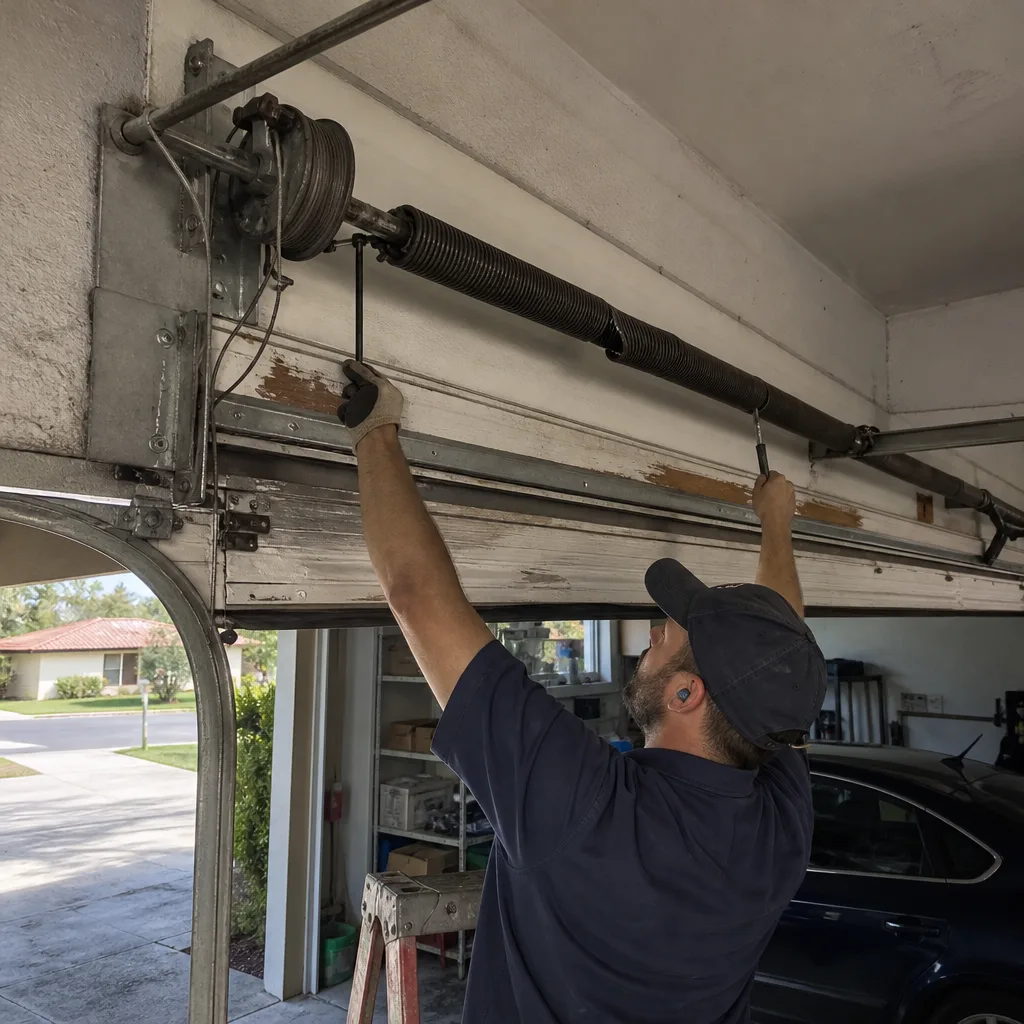 Before
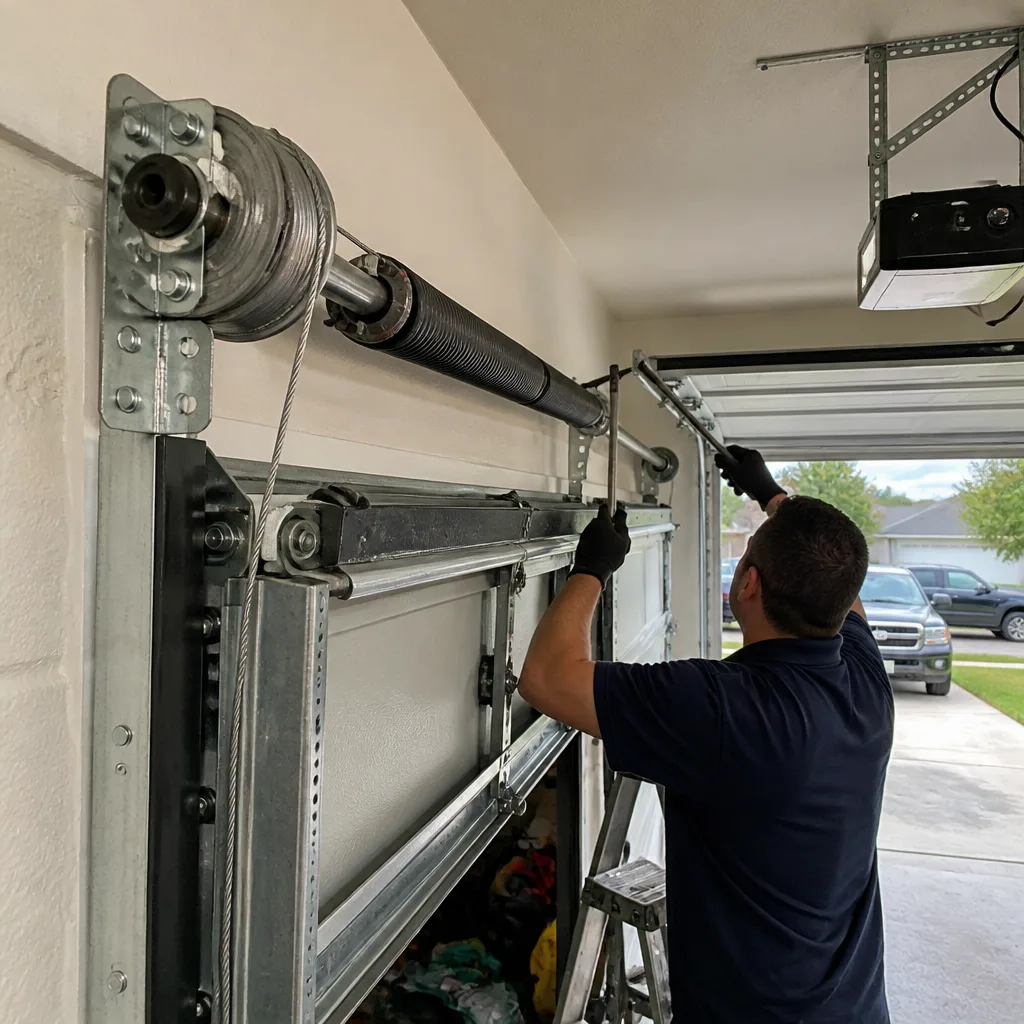 After
After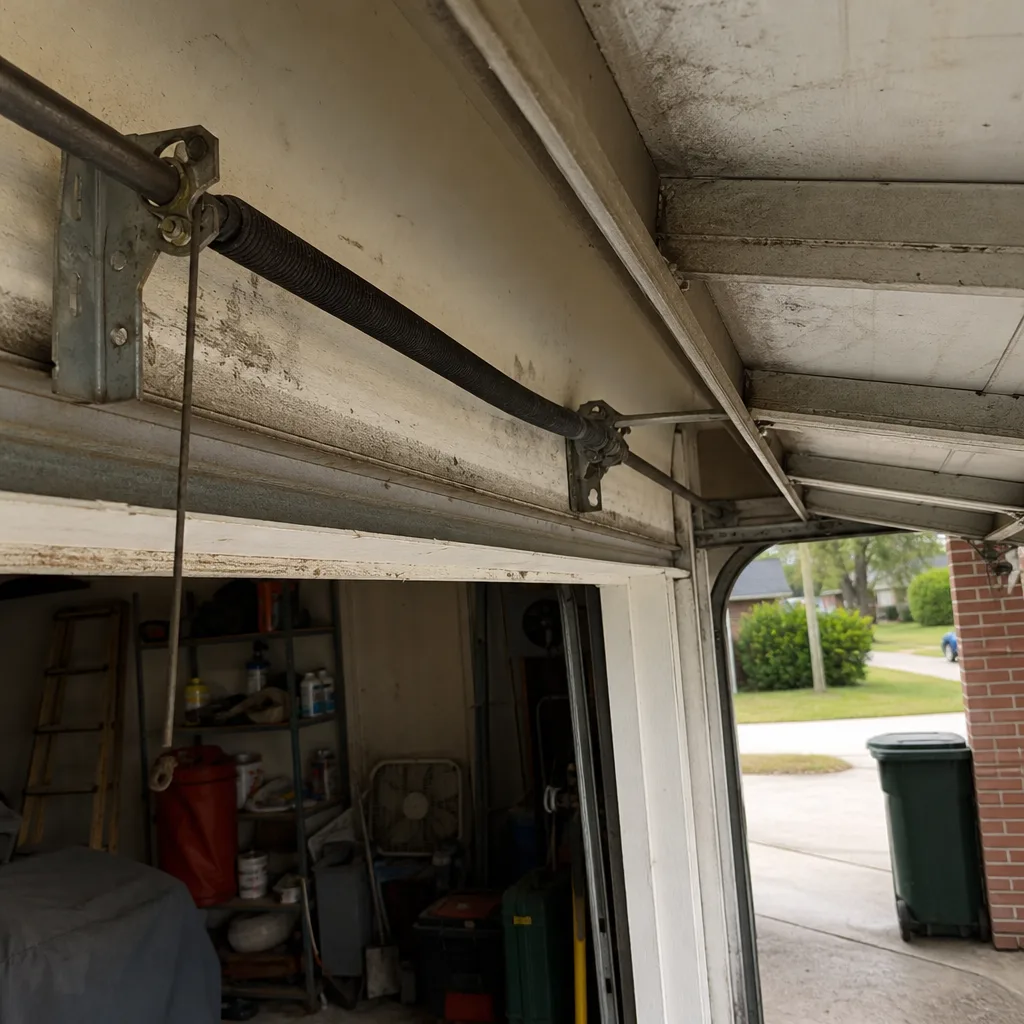 Before
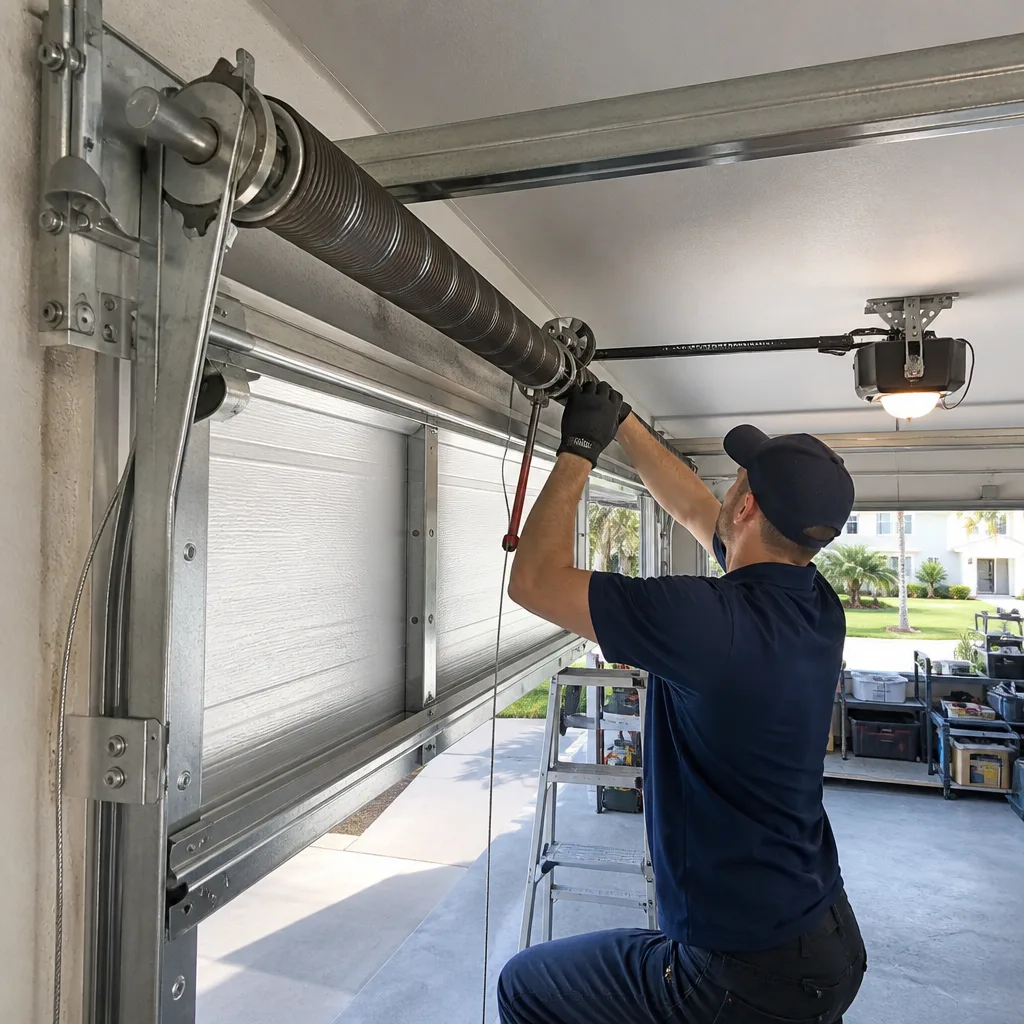 After
After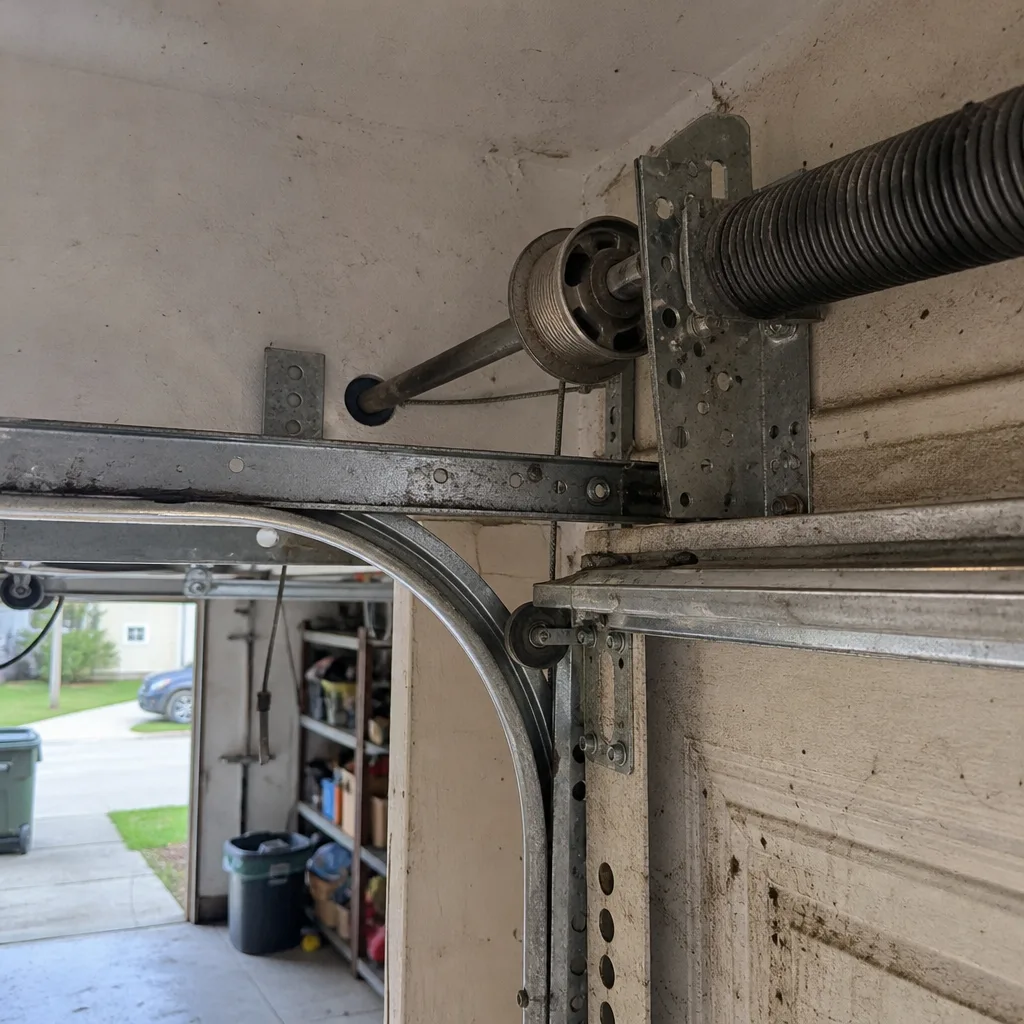 Before
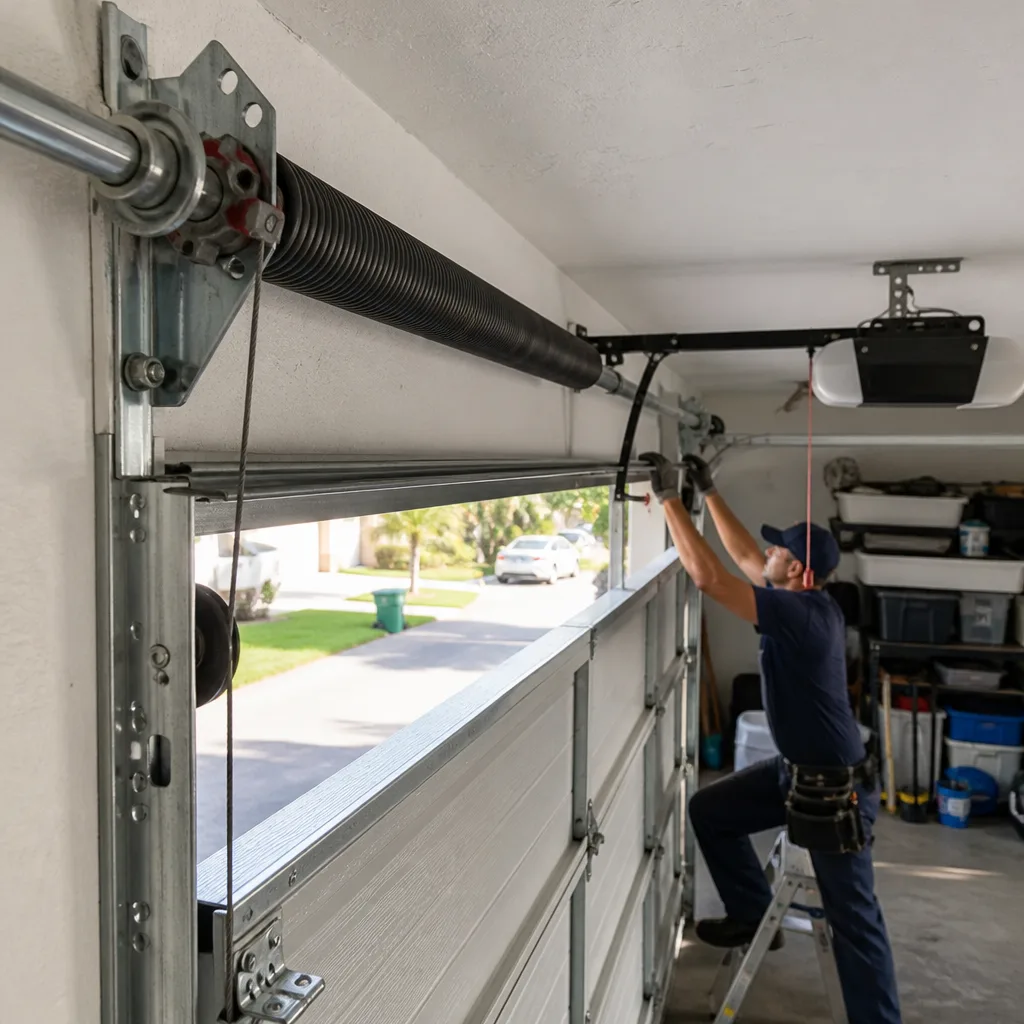 After
After